
Keeping backyard chickens happy and healthy during extreme summer heat is a real challenge, especially when the thermometer hits triple digits. Small chicken runs can quickly become dangerously hot, putting your flock at risk of heat stress or even death.
If you’re worried about your birds in scorching weather, the good news is that there are practical, affordable ways to cool down a small chicken run—even during record-breaking heat. This guide will walk you through proven strategies, smart upgrades, and helpful tips for maintaining a safe, comfortable environment for your chickens when temperatures soar.
If you are looking for an affordable, set-and-forget way to create consistent airflow for your hens in the hot sun, explore our expert picks for affordable run cooling fans to keep your production up all summer.
Understanding The Dangers Of Heat For Chickens
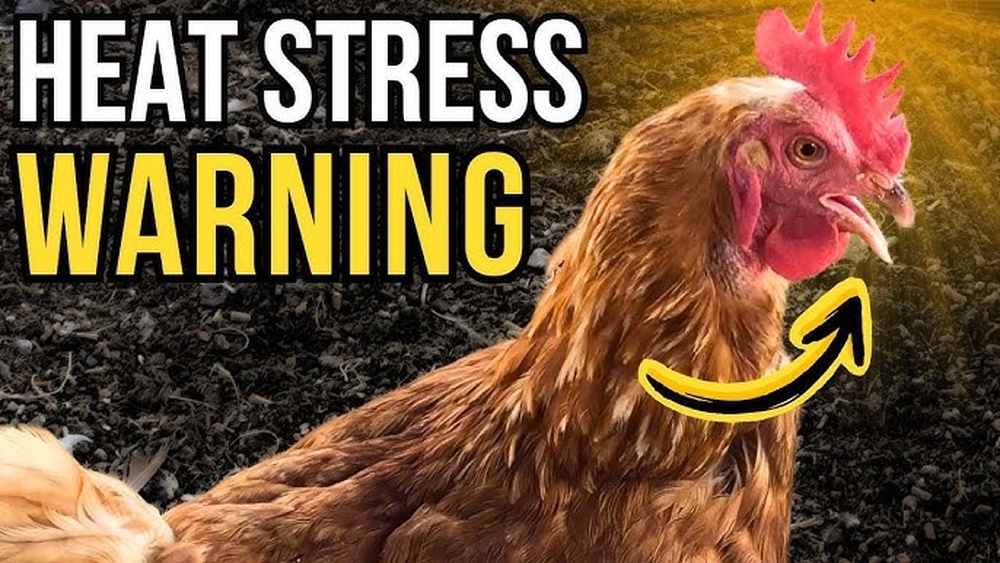
Chickens do not sweat. Instead, they cool themselves by panting and spreading their wings. When temperatures climb above 100°F (38°C), your birds can quickly become overheated. Signs of heat stress include open-mouth breathing, lethargy, and pale combs. If not addressed, extreme heat can cause heatstroke or even death.
Some breeds, like Orpingtons and Cochins, are more sensitive due to their heavy feathering. Younger, older, or sick birds are also at higher risk. Taking action before the hottest days arrive is the best way to keep your flock safe.
Effective Ways To Cool A Small Chicken Run
Let’s explore practical methods that really work for small backyard chicken setups.
1. Provide Ample Shade
Shade is the single most important factor in reducing heat. Place your run under a tree, or use shade cloth, tarps, or even old sheets to cover as much of the run as possible. Focus on the areas where your chickens rest during the day. Shade can lower ground temperature by as much as 10–15°F.
Comparing Shade Solutions
| Shade Type | Temperature Reduction | Cost | Durability |
|---|---|---|---|
| Tarp | 10°F | Low | Medium |
| Shade Cloth | 12–15°F | Medium | High |
| Tree Shade | 12°F | Free | High |
2. Improve Ventilation
Good airflow removes hot air and brings in cooler air. For a small run, add extra vents or widen existing wire mesh sides. Avoid blocking breezes with solid panels. If possible, position the run where it catches the wind but is safe from predators.
A simple fan (on the outside, protected from water and pecking) can make a big difference. Always use outdoor-rated equipment and keep cords away from chickens.
3. Offer Cool, Clean Water
Chickens need constant access to fresh water. In heat waves, waterers can heat up fast. Use several water stations in the shade and refresh often. Drop in a few ice cubes or frozen water bottles to keep water cool for hours. Never let water run out—dehydration is a top killer in hot weather.
4. Mist The Run
A light mist cools the air through evaporation. Use a hose with a fine spray nozzle or set up a basic misting system. Mist the ground and surrounding air, not the chickens directly—most birds dislike being sprayed. This can lower the local temperature by 5–10°F.
Misting Vs. Sprinkling
| Method | Cooling Effect | Water Usage | Chicken Comfort |
|---|---|---|---|
| Mist | 5–10°F | Low | High |
| Sprinkle | 3–6°F | Medium | Medium |
5. Add Cooling Ground Materials
Bare dirt can bake in the sun, raising the run’s temperature. Add a thick layer of mulch, sand, or wood chips to create a cooler surface. Wetting down the ground in the morning helps keep it cool longer. Chickens will dig shallow holes to find the coolest spots—let them!
6. Freeze Treats For Relief
Give your chickens frozen fruits or vegetables as snacks. Watermelon, berries, corn, and peas work well. Place them in shaded areas so they stay cool longer. This not only cools the birds from the inside but also encourages them to drink more water.
7. Use Reflective Materials
Covering parts of the run roof with reflective tarps or aluminum panels reflects sunlight instead of absorbing it. This simple upgrade can lower inside temperatures by several degrees and works especially well for runs with metal or plastic roofs.
8. Minimize Activity During Peak Heat
Chickens are most comfortable early in the morning and late in the evening. Offer feed and let them forage during these times. Close off access to the sunniest parts of the run from noon to 5 p. m. if possible.
9. Monitor With A Thermometer
Install a basic outdoor thermometer at chicken height. Check it several times a day. If the run stays above 95°F for more than an hour, take extra steps like moving birds to a cooler space or bringing them indoors temporarily.
Example: Temperature Changes With Cooling Actions
| Action Taken | Temperature Before | Temperature After |
|---|---|---|
| Added Shade Cloth | 105°F | 92°F |
| Started Misting | 98°F | 90°F |
Two Often-missed Tips
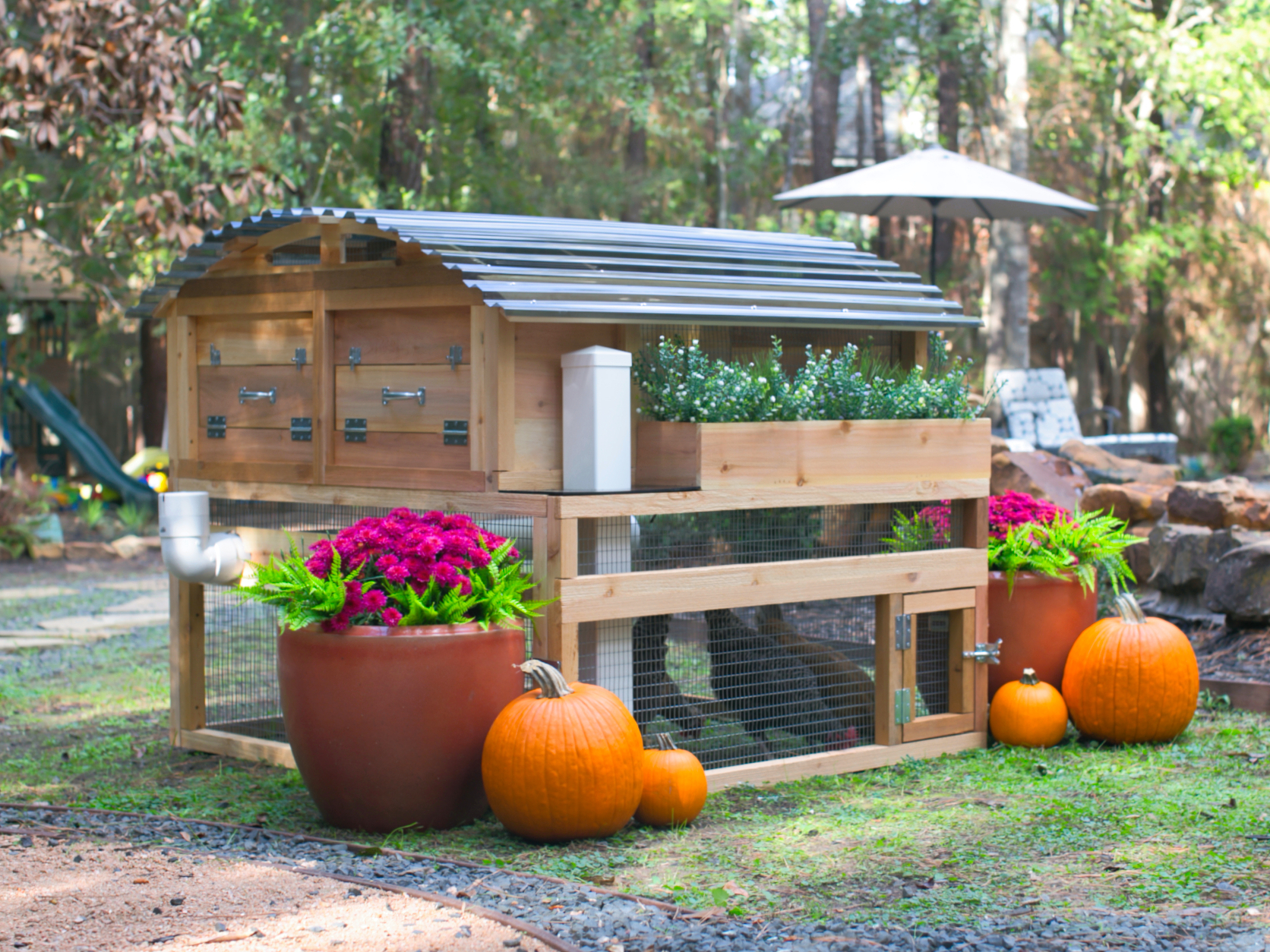
Many chicken keepers overlook the impact of microclimates—small pockets of cooler air. Even a small bush or raised platform can create a surprisingly cool spot. Also, avoid overcrowding. Fewer birds mean less heat and stress. In triple-digit weather, rehome or separate birds if your run is crowded.
When To Take Emergency Action
If you see several birds showing heat stress at once, act fast. Move them to a cooler spot indoors or use a fan and ice packs near them. Severe cases may need vet care. Always have a plan for sudden temperature spikes, especially if you live in a hot climate.
Frequently Asked Questions
How Often Should I Change Water In Extreme Heat?
Replace water at least twice a day during triple-digit heat. If the water feels warm, change it more often or add ice bottles to keep it cool.
What Temperature Is Too Hot For Chickens?
Most chickens show serious stress above 95°F, and temperatures over 105°F can be deadly, especially for heavy or older birds.
Can Fans Be Used In A Small Chicken Run?
Yes, but only if safely installed. Use outdoor-rated fans, protect cords, and never blow air directly onto the chickens for long periods.
Is It Safe To Use Misters Every Day?
Daily misting is safe as long as the ground dries out between uses to prevent mold or slippery conditions. Mist early or late in the day for best results.
Where Can I Learn More About Chicken Care In Hot Climates?
Check out Backyard Chickens for expert advice and real-world tips on keeping your flock cool.
Remember, a bit of planning goes a long way. By combining shade, water, ventilation, and a few creative tricks, you can help your chickens survive—and even thrive—through the toughest summer heat. Your birds will thank you with happier clucks and healthy eggs all season long.
