
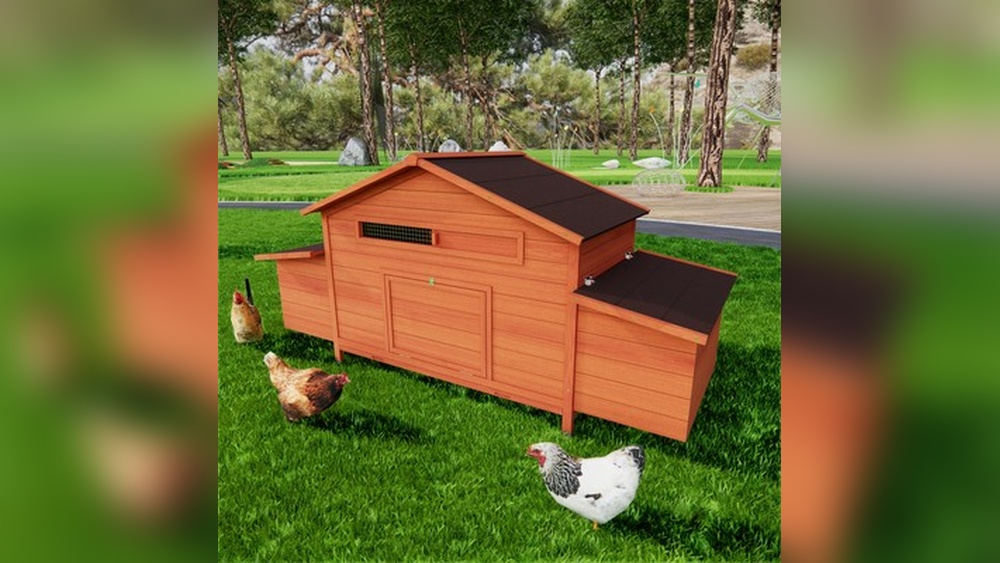
Keeping your chickens safe at night is a constant concern for backyard flock owners. Nighttime predators like raccoons, foxes, and even stray dogs can break into a coop if windows and doors are not secure. Many owners think their setup is strong, but predators are clever and persistent. This guide will help you understand real risks, show proven ways to protect your coop windows and doors, and share practical tips that many beginners overlook.
If you are looking for an affordable, set-and-forget way to add an extra layer of perimeter security around your chicken runs, explore our expert picks for high-intensity red-eye coop lights to secure your flock today.
Understanding Predator Behavior
Predators attack when chickens are most vulnerable—at night. Raccoons can open simple latches, foxes dig under doors, and rats squeeze through gaps. According to the USDA, over 40% of flock losses happen due to predator attacks at night. Most predators check for weak spots like loose screens or cheap locks.
Knowing their habits helps you prevent disaster.
Choosing The Right Materials For Windows And Doors
Not all materials are equally strong. Many new coop owners use basic wood or plastic, but these are easy for predators to break.
| Material | Strength Against Predators | Weather Resistance |
|---|---|---|
| Wood | Medium (can be chewed) | Good (if treated) |
| Plastic | Low (easy to break) | Medium |
| Metal | High (hard to chew or break) | Excellent |
| Glass | Low (can shatter) | Good |
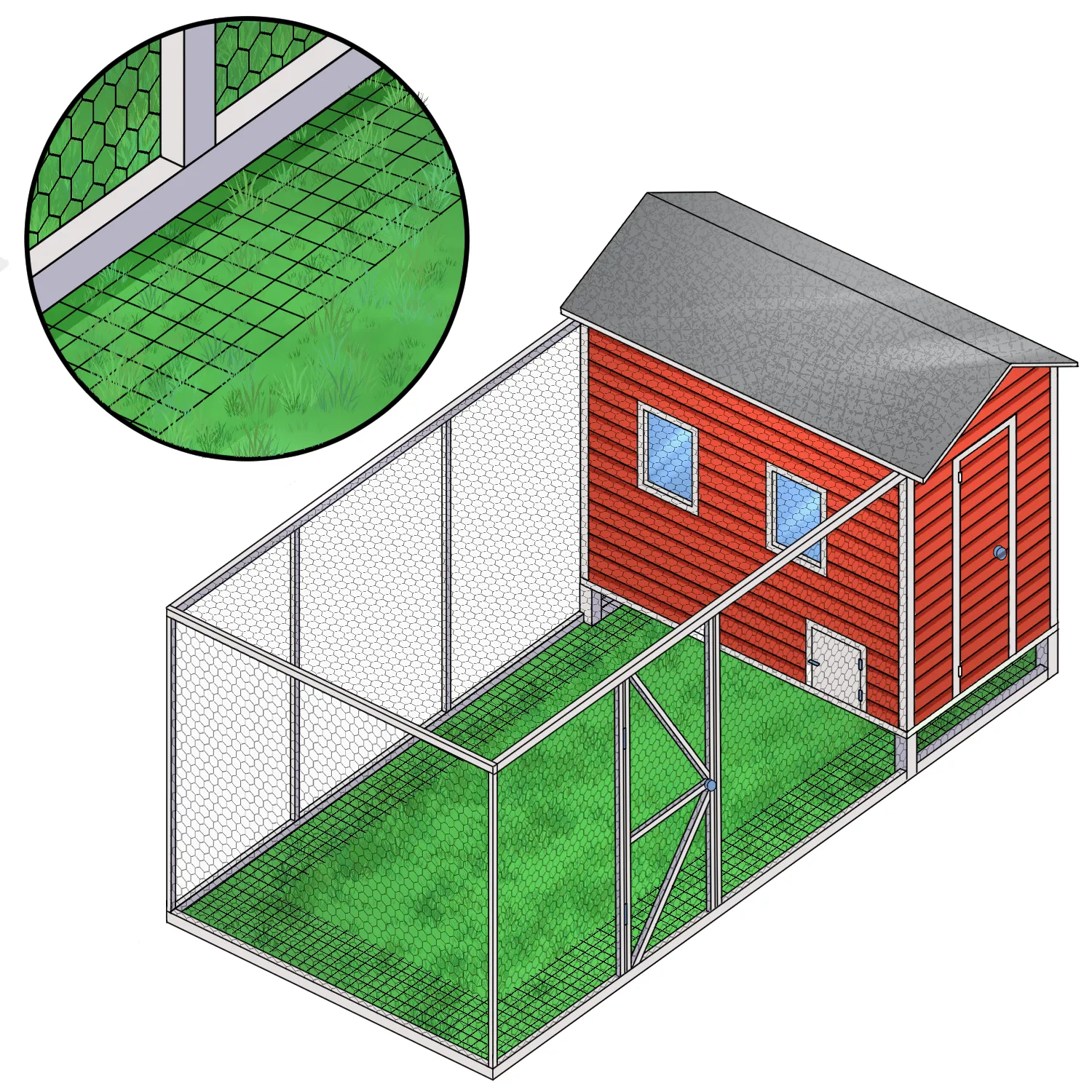
Hardware cloth (galvanized wire mesh) is much stronger than chicken wire. Chicken wire is made to keep chickens in, not to keep predators out. Hardware cloth with a 1/2-inch grid is best for windows.
Reinforcing Coop Windows
Windows let in fresh air, but they are also weak points. Here’s how to make them safer:
- Install hardware cloth over every window. Staple it tightly, then screw in a wooden frame to hold the mesh in place.
- Avoid using chicken wire or simple screens. Raccoons and rats can tear through them easily.
- Use strong window locks. Even small windows should have a latch that requires two movements to open (like a lock and a bolt).
- Seal all gaps around the frame with weatherproof caulk. Small gaps invite snakes and rats.
Here’s a comparison of window security options:
| Window Covering | Predator Resistance | Installation Difficulty |
|---|---|---|
| Chicken Wire | Low | Easy |
| Hardware Cloth | High | Medium |
| Glass Pane | Medium | Medium |
A common mistake is leaving windows open for ventilation at night. Instead, install adjustable vents with hardware cloth so air flows but predators stay out.
Strengthening Coop Doors
Doors are the main entry point for predators. Many people use simple hooks or sliding bolts, but raccoons can open these easily.
- Use heavy-duty locks. Padlocks or carabiner clips are best. Avoid simple hooks.
- Fit doors tightly. If you can slide a pencil through the crack, it’s too loose.
- Install a threshold (raised strip at the bottom) to block digging predators like foxes.
- Add a second inner door or “pop door” for extra safety. This is a small, chicken-sized door that locks from the inside.
Door security options:
| Lock Type | Resistance to Raccoons | Ease of Use |
|---|---|---|
| Simple Hook | Low | Easy |
| Sliding Bolt | Medium | Medium |
| Padlock | High | Medium |
| Carabiner Clip | High | Easy |
Don’t forget to check the bottom of the door. Many predators dig under, especially when soil is soft after rain.

Extra Safety Measures Most Beginners Miss
Many people overlook these steps, but they can make a big difference:
- Night checks: Walk around the coop after dusk. Listen for strange noises or movement.
- Motion sensor lights: Predators hate sudden light. Install solar-powered motion lights near doors and windows.
- Surrounding fencing: A fence around the coop keeps bigger predators away, but make sure the fence is buried at least 12 inches deep.
- Automatic door closers: These shut the coop door after sunset. They are reliable and prevent human error.
If you live in an area with large predators (like coyotes or bears), consider double-layering windows and doors, and using steel hardware.
Maintenance And Regular Inspection
Even the best security can fail if you don’t check it regularly. Weather, rust, or age can weaken materials.
- Inspect all locks and latches weekly.
- Look for chew marks or scratches on doors and windows.
- Replace damaged hardware cloth or wood immediately.
- Oil locks and hinges so they don’t stick.
Some flock owners use “predator cameras” (wildlife trail cameras) to spot night visitors. This helps you understand which animals are testing your defenses.
Frequently Asked Questions
How Often Should I Check My Coop Windows And Doors?
Check all windows and doors at least once a week. After storms or heavy rain, inspect more often because wet wood can weaken and locks may rust.
Is Hardware Cloth Better Than Chicken Wire?
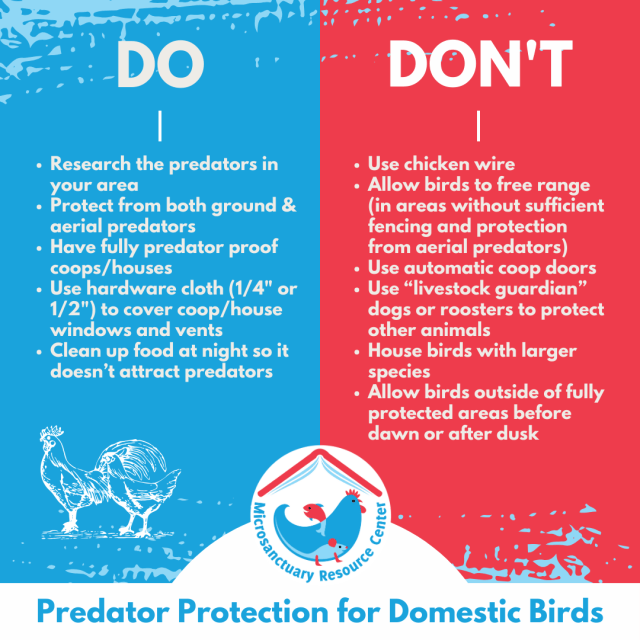
Yes, hardware cloth is much stronger. Chicken wire can be chewed or pulled apart, but hardware cloth resists most predators. Always use hardware cloth for windows and vents.
What’s The Best Way To Secure A Coop Door?
Use a padlock or carabiner clip. These are hard for raccoons and other animals to open. Avoid hooks or simple bolts, which are easy to unlock.
Can I Leave Windows Open At Night?
Never leave windows open without a strong barrier like hardware cloth. For ventilation, use adjustable vents covered with hardware cloth. This keeps air moving but blocks predators.
Should I Use Automatic Door Closers?
Automatic closers are helpful. They shut the door after sunset, reducing the risk of forgetting. Choose models that are weatherproof and reliable.
Securing your coop windows and doors takes some effort, but it’s worth it to keep your flock safe. Focus on strong materials, smart locks, and regular checks. Don’t trust shortcuts—predators will find them! For advanced advice, check out resources from the Backyard Chickens community. With careful planning and simple steps, you can enjoy peaceful nights knowing your chickens are protected.
