
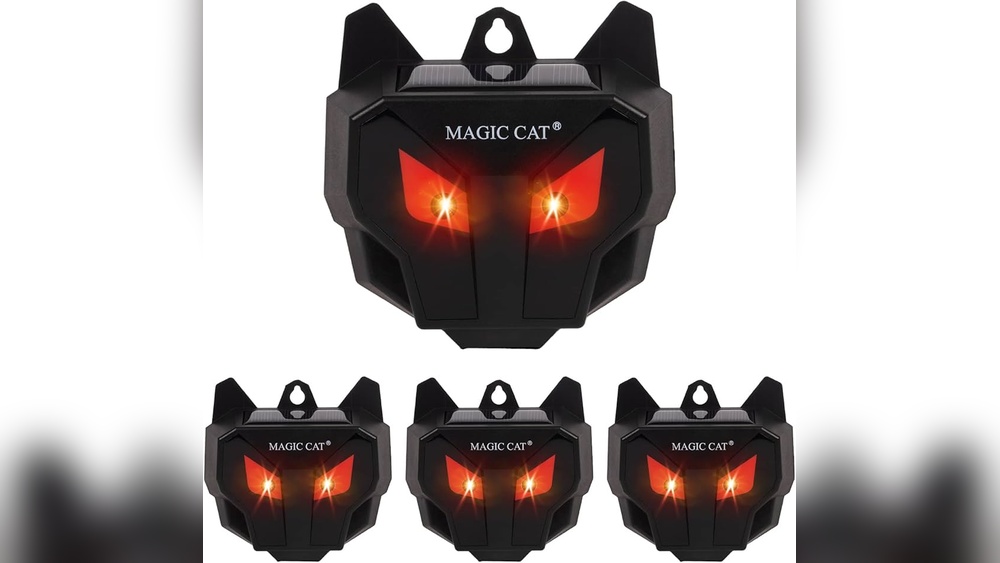
Keeping your poultry safe from predators is a daily challenge for farmers and backyard keepers. While many rely on fences, secure coops, or even dogs, a growing number are turning to a new tool: flashing red lights. These devices might look simple, but there’s real science behind how they work. Let’s dive into why red flashing lights are becoming a trusted part of poultry protection and how they can help keep your flock safe.
Scaring off nocturnal threats before they ever touch your wire mesh fences will save your birds from stress and injury. Explore our comprehensive guide covering the top-performing predator deterrent lights to find a setup that automatically activates the moment the sun goes down.
Why Predators Threaten Poultry
Chickens, ducks, and other poultry are natural targets for animals like foxes, raccoons, and owls. These predators often strike at night when birds are less alert and humans are not watching. Losing birds to predators can be expensive and upsetting, especially for small farmers or backyard owners. That’s why finding easy and reliable protection methods is so important.
Understanding Predator Behavior
Predators use sight, sound, and smell to hunt. Many are nocturnal, meaning they are active after dark. For example, a fox or raccoon may sneak near a coop looking for an easy meal. These animals are careful and avoid danger, especially if they think a human or another threat is nearby.
Here’s where visual deterrents come in. If a predator sees something unusual—like a bright, flashing red light—it might believe it’s being watched or that another animal is guarding the area. This taps into their natural fear and makes them think twice before getting closer.

The Science Of Flashing Red Lights
You may wonder why red lights and why flashing? The answer lies in how many animal eyes respond to color and movement.
- Red Light Visibility: Most night-hunting predators see red light very well. For them, a red light stands out in the dark. It doesn’t blend in like other colors might.
- Flashing Pattern: A steady light can be ignored after a while, but a flashing light draws attention and suggests movement or life. To a predator, a flashing red light often looks like the glowing eyes of another animal.
Studies have shown that artificial eyespots or lights can reduce attacks on livestock. For example, one research project found a 96% drop in predation when red LED lights were used around animal enclosures. The unpredictable nature of flashing lights makes it hard for predators to get used to them.
How Flashing Red Lights Protect Poultry
When you install flashing red lights around your coop or run, you create the illusion that the area is guarded. The lights are:
- Solar-powered or battery-operated, so they work all night
- Set at eye level with common predators
- Placed at regular intervals to cover the entire perimeter
Here’s a quick comparison of the effectiveness of different deterrent methods:
| Deterrent | Effectiveness | Maintenance |
|---|---|---|
| Flashing Red Lights | High | Low |
| Physical Fences | Moderate-High | Medium |
| Guard Animals | High | High |
| Motion-activated Sprinklers | Moderate | Medium |
While no single method is perfect, flashing red lights offer a balance of high effectiveness and low maintenance.
Real-world Examples And Data
Farmers across the US have shared positive results after using flashing red lights. Some report nearly zero losses after installing the lights, even in areas with high predator activity. A study published by the National Wildlife Research Center showed that predator attacks dropped by over 90% within two weeks of using these lights.
Here’s another look at before-and-after results:
| Farm | Predator Losses Before | Losses After Lights |
|---|---|---|
| Smith Family Farm | 8 birds/month | 0-1 birds/month |
| Green Acres Coop | 5 birds/month | 0 birds/month |
These numbers show that, while not every predator will be fooled forever, the majority are deterred by the lights.
Tips For Using Flashing Red Lights Effectively
To get the most from flashing red lights, follow these practical tips:
- Place lights at multiple heights: Some predators, like raccoons, can climb. Position lights low and high for better coverage.
- Move the lights sometimes: Predators are smart. Changing the position every few weeks keeps them guessing.
- Use enough lights: One or two lights may not cover a large area. Add more for wide coops or long runs.
- Check batteries or solar panels: Make sure the lights work every night, especially in winter.
- Combine with other methods: For best results, use lights with secure fencing and lock up birds at night.
One insight many beginners miss is that flashing red lights lose power if left in the same spot for months. Smart predators may learn to ignore them if the environment never changes. Another tip: placing lights at corners, not just in the middle, helps cover blind spots.

Limitations And What To Expect
While flashing red lights are powerful, they are not a magic solution. Some very bold or hungry predators might ignore them, especially if food is scarce. It’s also possible for animals to get used to the lights over time—a process called habituation.
Here’s a quick comparison of predator deterrent lifespan:
| Deterrent | Predator Habituation (Months) |
|---|---|
| Flashing Red Lights | 6-12 |
| Motion Devices | 3-6 |
| Physical Barriers | Rare |
For this reason, always back up lights with strong fences and safe housing.
Frequently Asked Questions
How Do Flashing Red Lights Deter Predators?
Flashing red lights mimic the eyes of larger animals. Predators see the lights and think there is a threat nearby, so they stay away.
Are Red Lights Safe For Poultry?
Yes, these lights are safe for chickens, ducks, and other birds. They do not harm the birds or disturb their sleep.
How Many Lights Do I Need For My Coop?
The number depends on your coop’s size. For a small backyard coop, 2-3 lights are often enough. Larger areas may need 4 or more for full coverage.
Do The Lights Work In Bad Weather?
Most modern flashing red lights are weather-resistant. However, check the manufacturer’s details and ensure solar panels are not blocked by snow or dirt.
Can I Use Other Colors Instead Of Red?
Red is best because many predators see it clearly at night. Other colors are less effective. More details can be found at Wikipedia.
Flashing red lights are a simple, science-backed tool for poultry protection. By understanding how predators think and behave, you can use these lights to make your coop much less inviting to nighttime hunters. Combine them with strong coops and good habits, and you’ll give your birds the best chance to thrive.
