

Coyotes are clever and persistent animals. If you keep chickens, ducks, or other small animals, you know the worry these predators can bring. Protecting your run is not just about keeping your animals safe at night—it’s about peace of mind every day.
With the right DIY security steps, you can make your run almost coyote-proof, even if you live in high-risk areas. This guide will show you practical, affordable ways to guard your animals and outsmart coyotes, using proven methods and a few clever tricks many beginners miss.
If you are currently struggling with nighttime farm security, you can find a deep dive into the Best Budget Solar Powered Motion Alarms to Scare Coyotes in our latest review, which walks through the highest-rated low-cost options available.
Understanding Coyote Behavior
Coyotes are opportunistic hunters. They look for easy meals, especially in the evening and early morning. These animals can jump fences up to 6 feet high and dig under weak barriers. They are also good at finding weak spots that people often overlook, such as loose gates or gaps under fencing.
A surprising fact: coyotes can squeeze through spaces as small as 4 inches wide. If they find food once, they are likely to return.
Building Strong Physical Barriers
The first line of defense is a solid fence. Not all fences are equal when it comes to coyotes.
| Fence Type | Height | Coyote Resistance |
|---|---|---|
| Standard Wire | 4 ft | Poor |
| Chain Link | 6 ft | Good |
| Welded Wire + Apron | 5-6 ft | Excellent |
- Use welded wire fencing at least 5 feet high.
- Add a wire apron (mesh laid on the ground and attached to the fence) that extends 12–18 inches outward to stop digging.
- Bury the bottom of the fence 6–12 inches if you can, or bend the mesh outward.
Most people forget the gate. Install a self-closing, locking latch and check for gaps underneath—coyotes will test weak spots.
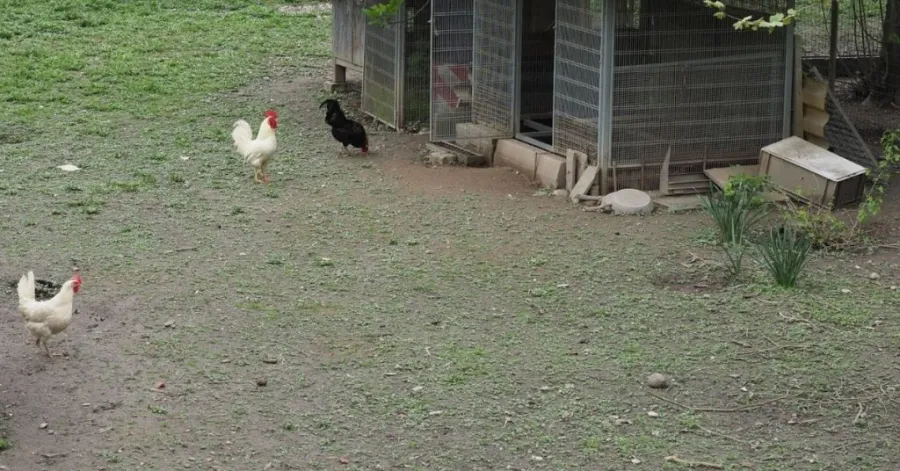
Securing The Top And Bottom
Coyotes can leap over fences or climb poorly designed ones. Here’s how to stop them:
- Add a coyote roller (a spinning PVC pipe or commercial roller) to the top. When a coyote tries to climb, it spins and the animal slips off.
- Place mesh or netting over the run if you have birds, to prevent aerial attacks and climbing.
- For the bottom, use heavy rocks or bricks along the outer edge, or lay down pavers around the fence.
Many DIYers forget about tree branches hanging over the run—coyotes may use them to jump in. Trim branches that come within 6 feet of the fence.
Electronic And Motion-activated Deterrents
Beyond physical barriers, use technology to scare coyotes away.
| Device | How It Works | Effectiveness |
|---|---|---|
| Motion Lights | Bright light activates with movement | Moderate |
| Sound Alarms | Emits loud noise when triggered | Good |
| Sprinklers | Sprays water at intruders | Good |
- Install solar-powered motion lights around the run. Coyotes dislike sudden bright lights.
- Use a motion-activated sprinkler for extra surprise—especially effective for persistent animals.
- Some owners combine sound alarms with lights for double impact.
Change device placement every few weeks. Coyotes can learn to ignore fixed deterrents.
Removing Attractants
Coyotes are drawn by easy food, water, or shelter. Many people forget about these non-obvious lures:
- Pick up fallen fruit from trees near your run.
- Secure trash in animal-proof bins.
- Feed pets indoors or remove food bowls at night.
- Store all animal feed in sealed metal containers.
- Clear brush piles or tall grass where coyotes can hide.
Even leaving eggs in the coop or spilled grain can attract unwanted visitors.
Smart Routine And Monitoring
Consistent routines help keep coyotes away. Always lock animals in the coop at dusk. Use a checklist to double-check locks and fences every evening.
Set up a trail camera to spot coyote activity. If you see tracks or droppings, check your barriers for weaknesses. Most attacks happen because of a small mistake, like a gate left open or a broken fence wire.
Cost Comparison: Diy Vs. Commercial Solutions
Before you spend money, compare the costs.
| Solution | Average Cost | Maintenance |
|---|---|---|
| DIY Welded Wire + Apron | $200–$500 | Low |
| Commercial Electric Fence | $500–$1,500 | Medium |
| Professional Installation | $1,000–$3,000 | Low |
DIY methods are usually more affordable and let you adapt to your run’s needs. But the work is only as good as your attention to detail.
Common Mistakes To Avoid
- Leaving gaps under the fence or gate
- Using chicken wire (too weak for coyotes)
- Forgetting to secure the coop at night
- Not checking for signs of digging or chewing
- Relying only on one type of deterrent
A layered approach is best: combine strong barriers, electronic deterrents, and attractant removal.
Extra Tips That Make A Difference
- Refresh your scent markers: Some keepers use human hair or urine (from a pet or themselves) around the run to make coyotes think humans are nearby.
- Rotate deterrents every few weeks so coyotes don’t learn routines.
- In high-risk areas, consider double fencing with a gap between barriers.
Keeping coyotes away is an ongoing process. Even the best fence needs checks and maintenance. The effort you put in now saves heartache later.
Your animals trust you for their safety. With smart planning and a few DIY upgrades, you can make your run a fortress that coyotes simply walk past. If you want more about coyote behavior and prevention, the Humane Society provides useful guidelines.
Frequently Asked Questions
How High Should My Fence Be To Keep Coyotes Out?
A minimum of 5 to 6 feet is needed. Add a coyote roller or angled top to make climbing even harder.
Will Motion Lights Really Scare Coyotes Away?
Yes, motion-activated lights work well at first. But move them every few weeks so coyotes don’t get used to them.
What’s The Best Wire For A Coyote-proof Fence?
Welded wire or hardware cloth (16 gauge or thicker) is best. Chicken wire is too weak and easy for coyotes to break through.
Can Coyotes Dig Under My Run?
Absolutely. They are strong diggers. That’s why you should add a wire apron or bury the fence at least 6 inches deep.
Is It Safe To Use Electric Fences?
Yes, but follow all safety guidelines and check local laws. Electric fences can add extra protection, but combine them with other barriers for best results.
