

Keeping backyard chickens in remote areas brings many rewards, but it also invites midnight predators. Raccoons, foxes, coyotes, and even owls can attack coops when darkness falls. These predators threaten your flock, especially when your coop is far from your home. If you want your chickens safe, you need strong protection methods. Let’s explore practical ways to stop midnight predator attacks, with clear steps and data-backed advice.
You can get more information about safeguarding your backyard perimeter directly from our hands-on evaluation of the most reliable budget solar motion alarms on the market today.
Understanding Midnight Predator Threats
Many predators hunt at night because chickens sleep deeply and can’t defend themselves. Common threats include:
- Raccoons: Smart and able to open simple latches. They hunt in groups and can work together to solve problems.
- Foxes: Agile, can dig and squeeze through gaps. Foxes are often patient and return to a coop if they find it easy to enter.
- Coyotes: Strong, able to break weak fencing. Coyotes sometimes test fences for weak points and can jump surprisingly high.
- Owls: Silent flyers, target small chickens or chicks. Owls use their sharp talons and powerful beaks to grab prey without warning.
- Snakes: Slip through small holes for eggs or chicks. Snakes are attracted to warmth and the smell of eggs, often unnoticed until damage is done.
According to the US Department of Agriculture, over 70% of backyard chicken losses in rural areas are due to nocturnal predators. Some studies also show that raccoons and foxes are responsible for most attacks in northern regions, while coyotes and owls are more common in southern areas.
Building A Strong Coop
A secure coop is your first defense. Small mistakes can make your chickens vulnerable. Many coop owners underestimate how clever some predators can be. For example, raccoons have been seen twisting knobs and flipping latches, so simple locks are not enough.
Choosing Materials
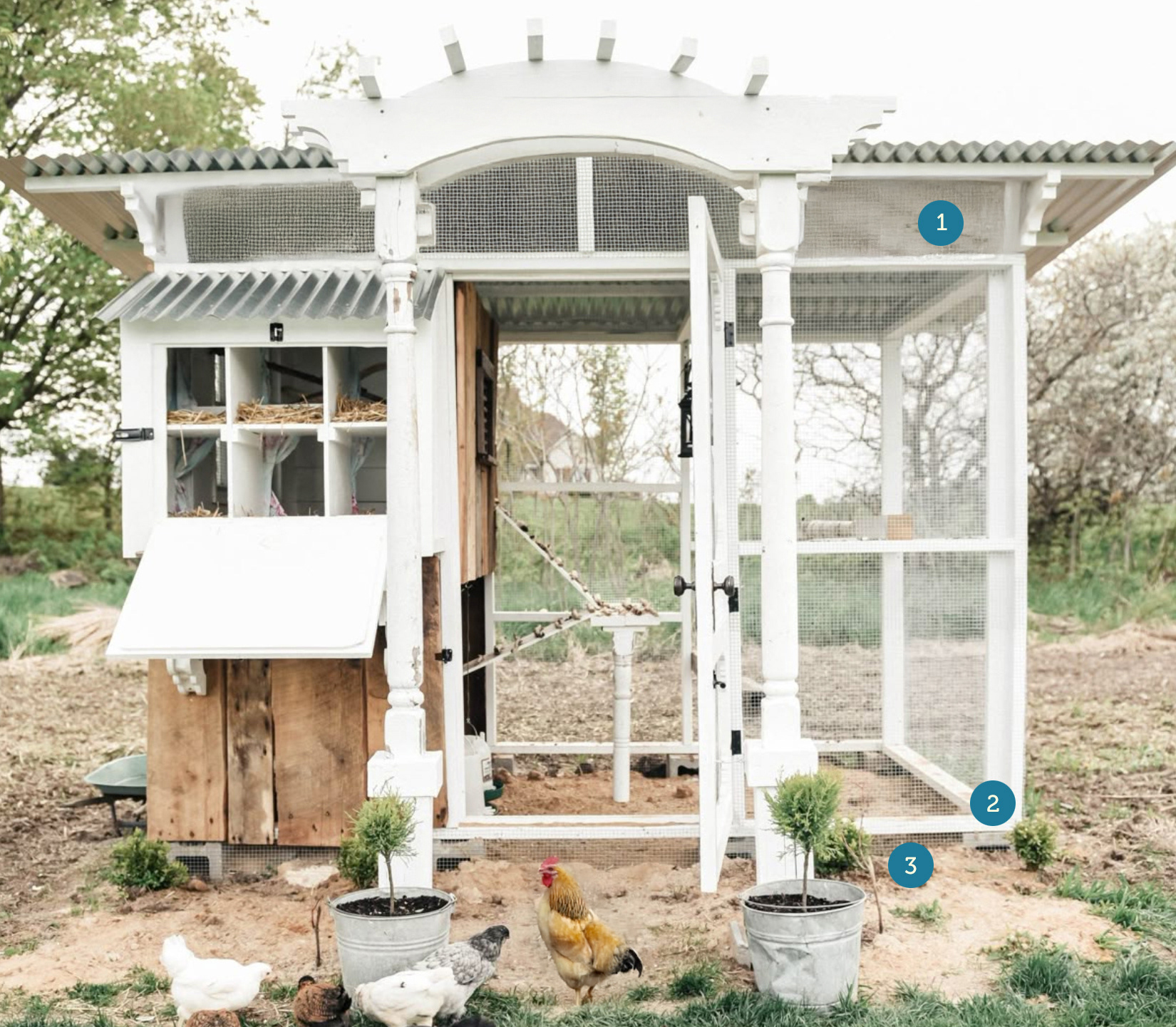
- Use hardware cloth (not chicken wire) for windows and vents. Chicken wire can be broken easily, especially by raccoons and coyotes.
- Solid wood or metal for walls and doors. If using wood, choose thick boards that resist chewing.
Construction Tips
- Seal all gaps larger than ½ inch. Raccoons and rats squeeze through small openings. Caulk or foam can help seal tiny cracks.
- Install locks with carabiners or padlocks. Raccoons can open simple latches, so use locks that require twisting or key access.
- Bury fencing 12 inches underground to stop digging predators. Some owners use concrete slabs under the coop for extra safety.
- Create a sloped roof to prevent climbing. Steep roofs make it harder for predators to balance and climb.
Here’s a comparison of common materials used for coop protection:
| Material | Predator Resistance | Durability |
|---|---|---|
| Hardware Cloth | High | 10+ years |
| Chicken Wire | Low | 3-5 years |
| Wood (thick) | Medium | 8-12 years |
| Metal Panels | Very High | 15+ years |
A non-obvious insight: using overlapping layers of materials—like hardware cloth over wood—adds extra strength and makes it harder for predators to chew or claw through.
Reinforcing The Perimeter
Even with a strong coop, predators may try to break in or dig under. Protecting the area around your coop is key. Many attacks start at the perimeter, not inside the coop.
Fencing
- Use electric fences for best results. Studies show they reduce predator attacks by over 80%. Electric fences can be set with timers to run only at night, saving power.
- Height should be at least 6 feet to stop jumping animals. If possible, add an angled top to prevent climbing.
- Bury the bottom of the fence to block digging. For extra protection, lay mesh horizontally under the soil.
Lighting
- Install motion-activated lights. Sudden light scares most nocturnal animals. Try placing lights at different heights and angles for better coverage.
- Use solar-powered options to save energy. Solar lights are practical for remote areas without electricity.
Alarm Systems
- Simple alarms that trigger when doors are opened warn you of intruders. Some alarms also send alerts to your phone.
- Some owners use trail cameras for monitoring. Night-vision cameras can help you spot which animals are visiting, so you know what defenses to add.
Compare the effectiveness of different perimeter defenses:
| Method | Attack Reduction (%) | Cost Estimate |
|---|---|---|
| Electric Fencing | 80 | $200-$600 |
| Motion Lights | 50 | $40-$120 |
| Alarm System | 60 | $70-$250 |
| Burying Fence | 40 | $60-$200 |
One practical tip: Combine two or more methods. For example, pairing electric fencing with motion lights creates a strong deterrent and helps you spot trouble quickly.
Smart Habits For Nighttime Protection
Your actions matter as much as your coop’s strength. Many attacks happen because of simple mistakes. Sometimes, forgetting to lock a door or leaving food outside is all it takes.
- Close all doors and windows before dusk. Chickens should be inside by sunset. Set reminders on your phone if you tend to forget.
- Remove leftover food. Scraps attract predators. Sweep the area daily, and don’t leave feed bowls outside.
- Check locks daily for damage or signs of tampering. Look for scratches or bent metal, which indicate predators are testing your defenses.
- Rotate your chickens’ sleeping spots if possible. Predators remember routines. Moving nesting boxes occasionally confuses them.
A non-obvious tip: Place fake eyes or shiny objects near the coop. Some predators, especially owls and foxes, avoid areas with unfamiliar sights. Old CDs, reflective tape, or plastic owl statues can help.
Another helpful habit: Walk around the coop at different times each week. Human scent and activity can discourage some animals from approaching.

Using Guard Animals
Some animals can protect your flock naturally. This is especially useful in remote areas where human presence is limited.
- Dogs: Certain breeds (like Great Pyrenees) deter coyotes and foxes. They patrol the area and bark loudly to scare intruders.
- Donkeys: They kick and chase away smaller predators. Donkeys are alert and often sense trouble before humans do.
- Geese: Loud and aggressive, geese can alert you to trouble. Their honking can wake neighbors or owners.
But, guard animals need training. Untrained dogs may harm chickens. Always supervise at first. Introduce the animal slowly to your flock and monitor their reactions.
Compare guard animal options:
| Animal | Predator Deterrence | Training Needed |
|---|---|---|
| Dog (Livestock Guardian) | High | Medium |
| Donkey | Medium | Low |
| Goose | Low | Low |
A non-obvious insight: Sometimes, pairing two types of guard animals (like a dog and goose) increases protection, since each responds differently to threats.
Extra Strategies For Remote Coops
Remote coops need special attention because you aren’t always nearby. Technology and community help fill the gaps.
- Install remote cameras to check your flock from your phone. Some cameras offer two-way audio so you can scare predators with your voice.
- Set up a schedule with neighbors to watch each other’s coops. Sharing responsibilities creates a safety network and deters predators.
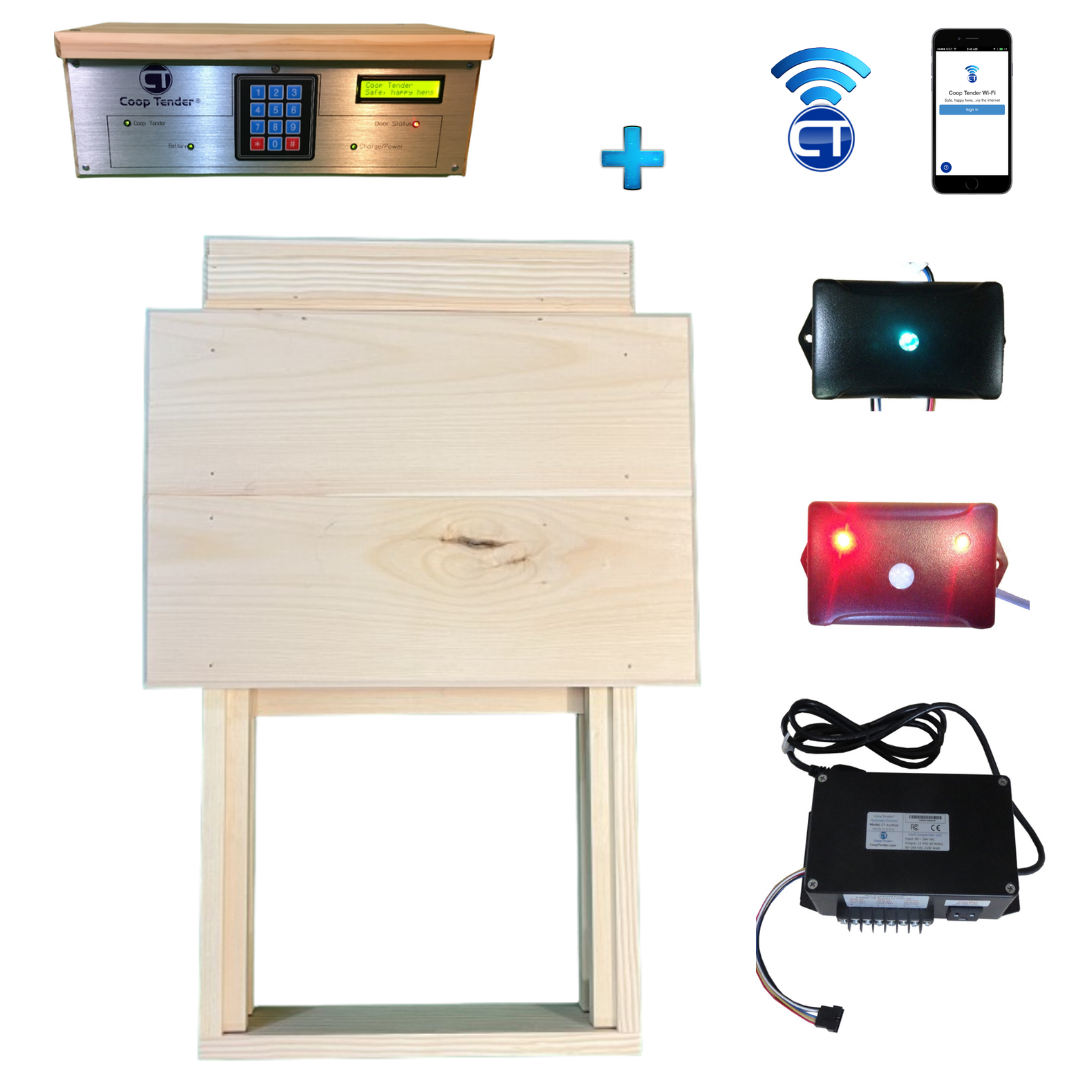
- Use automatic door closers. They shut the coop after sunset. Some devices adjust for daylight changes, so chickens stay safe all year.
One insight many miss: changing the location of food storage. Never keep feed close to the coop; it attracts predators even if chickens are safe. Store feed in sealed containers away from the main coop area.
Another tip: Plant thorny bushes or dense hedges near the coop. These make it harder for animals to approach silently.
For more in-depth guidance on predator prevention, visit Backyard Chickens.
Protecting chickens in remote areas isn’t just about building strong coops. It’s a mix of smart design, daily habits, and thoughtful use of technology. With these strategies, you’ll sleep better knowing your flock is safe.
Frequently Asked Questions
What Is The Best Fencing To Stop Predators?
Electric fencing is most effective. It stops most animals and reduces attacks by 80%. Hardware cloth is a good second option. For extra strength, use both together.
How Deep Should I Bury The Coop Fence?
Bury fencing at least 12 inches deep. This stops foxes and raccoons from digging under. Some owners even bend the bottom outward to make digging harder.
Can Motion Lights Keep Predators Away?
Yes, motion-activated lights scare animals like raccoons and foxes. They work best when paired with other defenses. Place lights at all entry points.
Are Guard Dogs Safe For Chickens?
Trained livestock guardian dogs are safe and very effective. But untrained dogs can harm chickens, so always supervise. Start with short sessions and reward good behavior.
What Should I Do If A Predator Attacks My Coop?
Repair damage, reinforce weak spots, and use cameras to monitor. Remove leftover food and check all locks. If attacks continue, use stronger fencing or add guard animals. Also, review camera footage to spot patterns and improve defenses.
