
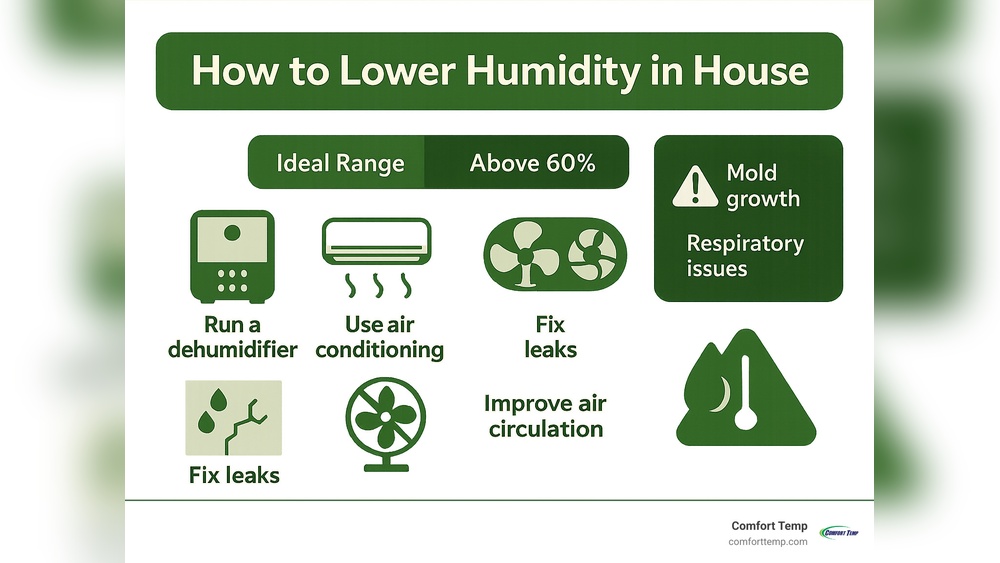
Humidity can turn a simple run into a struggle. When air feels thick and stuffy, it’s harder to breathe. This high moisture can also lead to respiratory issues—especially in enclosed indoor tracks or poorly ventilated gyms. Many runners underestimate how much humidity impacts their performance and health. If you want to run safely and comfortably, you need to control moisture levels and keep your air clean. Here’s how you can reduce humidity and protect your lungs in stuffy runs.
If your birds are panting heavily during peak summer afternoons, you can find a deep dive into the Best affordable solar powered chicken coop fans for small runs in our latest review, which highlights weather-resistant models built for tight budgets.
Why Humidity Matters For Runners
High humidity isn’t just uncomfortable. It stops sweat from evaporating, which makes you overheat faster. The air feels heavy, so you may breathe harder and take in less oxygen. Over time, this can cause fatigue, dizziness, and even asthma attacks. According to the American Lung Association, air moisture over 60% can trigger breathing problems in sensitive people.
Indoor runs are riskier. Without good air flow, humidity builds up and dust, mold, and bacteria thrive. These can irritate your lungs and cause infections. If you run in a gym or basement, humidity control is essential.
Practical Ways To Reduce Humidity
You don’t need expensive equipment to make your running space comfortable. Here are proven steps:
1. Ventilate Often
Open windows and doors before and after your run. Fresh air moves moisture out and brings oxygen in. If your space has vents, keep them open.
2. Use Dehumidifiers
A portable dehumidifier pulls water from the air. Choose models with adjustable settings. For best results, run it for 1–2 hours before your workout.
3. Monitor Humidity Levels
Buy a hygrometer to measure moisture. Aim for 40–60% relative humidity. If it’s higher, adjust your ventilation or dehumidifier.
4. Keep Surfaces Dry
Wipe sweat from mats, floors, and walls. Moist surfaces release water vapor, which raises humidity.
5. Run At Cooler Times
Early morning or late evening air is usually drier. Avoid midday runs in hot, sticky weather.
6. Improve Airflow
Place fans in opposite corners to create cross-breezes. Ceiling fans help move air down and keep moisture from settling.
7. Seal Leaks
Check for water leaks in pipes, windows, or roofs. Fix them quickly, as even small leaks increase humidity.
8. Limit Indoor Plants
Plants release water vapor. Keep only a few, and avoid placing them near your running area.
9. Dry Clothes Outside
Wet towels and workout gear should dry outdoors. Hanging them inside adds moisture.
10. Clean Filters Regularly
AC and air purifier filters trap dust and moisture. Clean them monthly to keep air fresh.
Here’s a quick comparison of common humidity solutions:
| Method | Cost | Effectiveness | Maintenance |
|---|---|---|---|
| Ventilation | Free | Moderate | None |
| Dehumidifier | $50–$200 | High | Monthly cleaning |
| Fans | $20–$80 | Moderate | Annual cleaning |
| Hygrometer | $10–$40 | Low | Battery change |
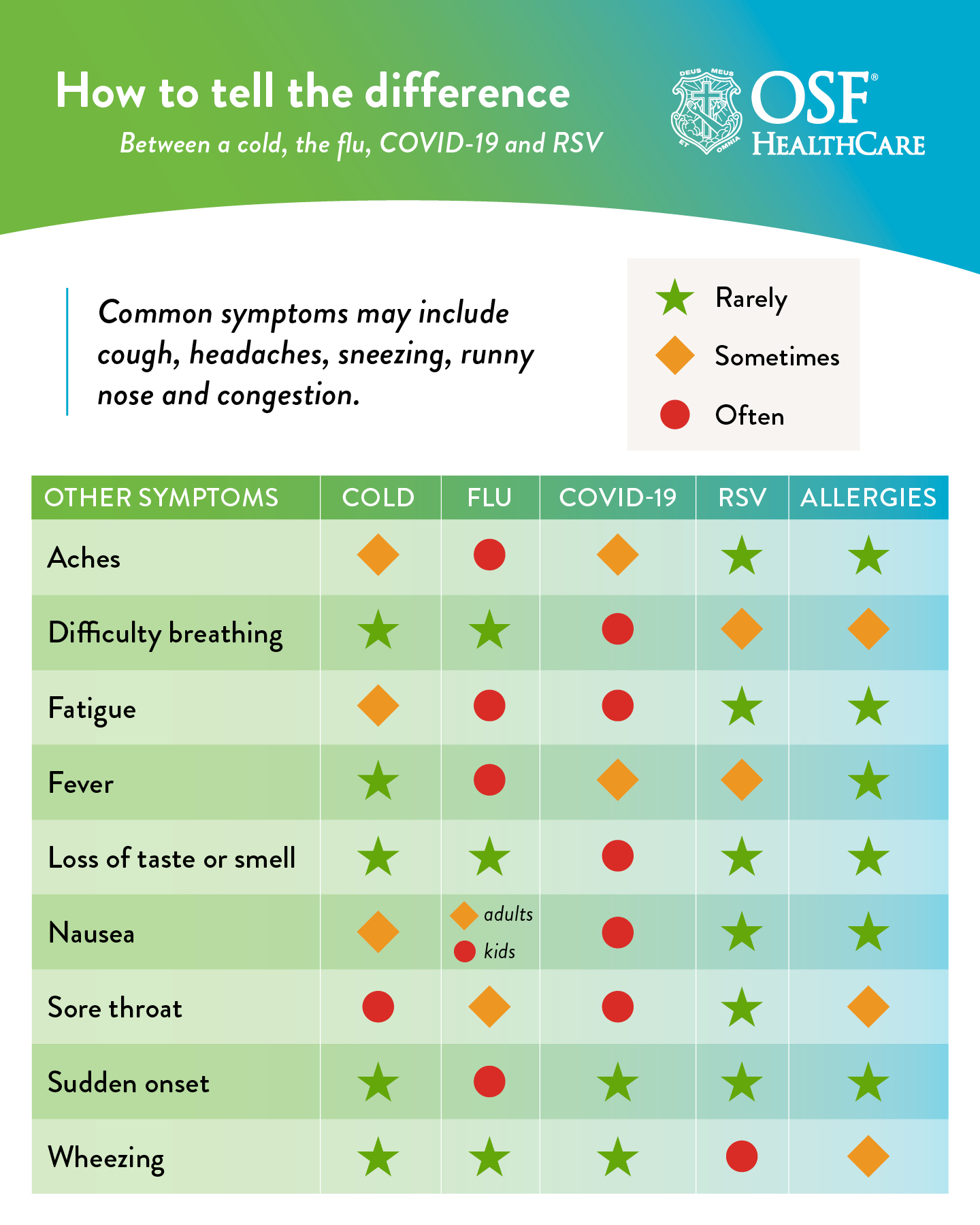
Preventing Respiratory Issues In Stuffy Runs
Humidity isn’t the only problem. Stuffiness means poor air quality, which can harm your lungs. Protect yourself with these smart steps:
1. Use Air Purifiers
Choose HEPA filter purifiers. They remove dust, pollen, and mold spores. This reduces asthma and allergy risks.
2. Avoid Strong Chemicals
Don’t use harsh cleaning sprays near your running area. Many release fumes that irritate your airways.
3. Wear Breathable Clothing
Synthetic fabrics wick sweat and dry fast. This prevents sweat buildup and lowers humidity.
4. Hydrate Properly
Drink water before and after your run. Proper hydration helps your body regulate temperature and breathing.
5. Check For Mold
Look for black spots on walls or ceilings. Mold spores can trigger coughing and wheezing. Clean them with vinegar or call a specialist.
6. Warm Up Slowly
In stuffy air, sudden intense exercise can shock your lungs. Start with gentle stretches and increase intensity gradually.
7. Listen To Your Body
If you feel chest tightness, shortness of breath, or dizziness, pause your run. These are warning signs of respiratory stress.
Here’s how air purifiers compare to other air quality solutions:
| Solution | Removes Allergens | Removes Humidity | Protects Lungs |
|---|---|---|---|
| Air Purifier | Yes | No | High |
| Dehumidifier | No | Yes | Moderate |
| Ventilation | Yes | Yes | Moderate |
Common Mistakes And Hidden Risks
Many runners ignore small signs until bigger problems appear. Here are mistakes to avoid:
- Overlooking humidity: Many think only heat matters. But humidity can be more dangerous for lungs.
- Ignoring air quality: Dust and mold are often invisible. Test air regularly, even if it looks clean.
- Using cheap dehumidifiers: Low-quality models may not remove enough moisture. Always check reviews before buying.
Another insight: humidity rises faster in closed rooms during group runs. If you run with friends indoors, monitor moisture every 30 minutes.
Real Examples And Data
A study from the Centers for Disease Control found that respiratory issues increase by 25% in gyms with humidity above 65%. Mold exposure in stuffy environments can cause long-term lung damage, especially for people with asthma. In one fitness center, adding a dehumidifier and purifier reduced athlete complaints by 40% within two months.
If you want more detailed guidance, the EPA Indoor Air Quality page offers more tips.
Frequently Asked Questions
What Is The Best Humidity Level For Running Indoors?
Aim for 40–60% humidity. This range keeps air comfortable and safe for breathing.
Can Humidity Cause Asthma Attacks?
Yes. High humidity can trigger asthma and worsen breathing problems, especially in stuffy environments.
How Often Should I Clean Air Filters?
Clean or replace filters every month. Dirty filters make air stuffier and less healthy.
Are Dehumidifiers Safe To Use During Exercise?
Yes, but place them away from your workout area. They help reduce moisture and keep air fresh.
What Signs Show Poor Air Quality In My Running Space?
Look for musty smells, visible mold, condensation on windows, and frequent coughing or sneezing. These are warning signs.
Keeping humidity low and air fresh is the key to healthy, enjoyable runs. With the right tools and habits, you protect your lungs and boost your performance. Don’t ignore small changes—simple steps can make a big difference in your running environment.
