
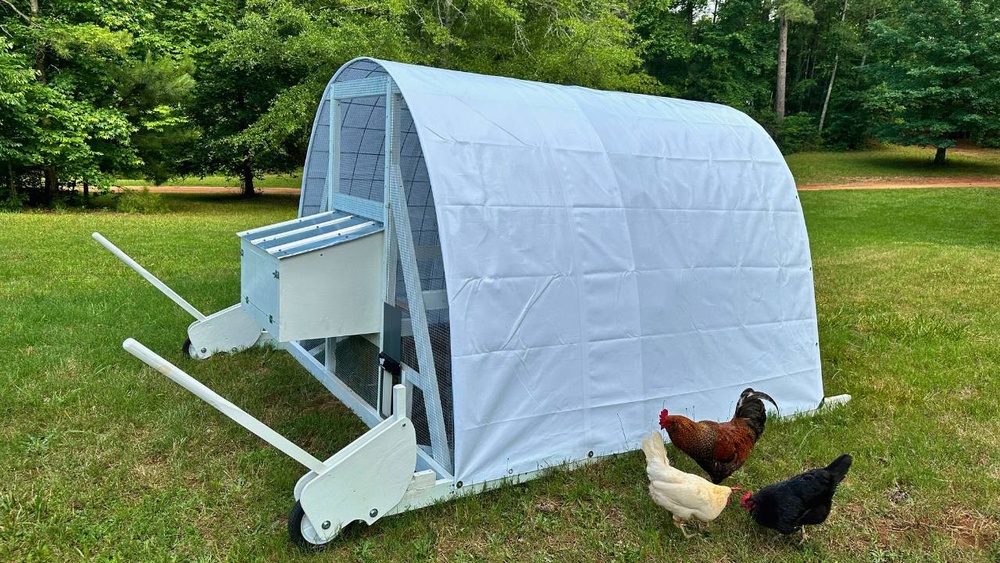
Keeping your chicken coop cool during summer is crucial for healthy birds and steady egg production. If your coop gets hot, chickens can suffer from heat stress, eat less, and lay fewer eggs. Many ready-made ventilation systems are expensive and not always suited for smaller budgets or DIY projects. But you can build a budget friendly ventilation system for a high heat coop using common materials, smart design, and a bit of creativity. This guide shows you how to do it step by step, with practical advice and tips that save money and keep your flock comfortable.
You can get more details about dropping the ambient humidity inside your coop without running dangerous extension cords directly from our hands-on evaluation of the most reliable affordable solar coop fans on the market today.
Why Ventilation Matters In A Hot Coop
Chickens are sensitive to heat. When temperatures rise above 85°F (29°C), they start to feel stressed. Poor airflow means ammonia builds up from droppings, making breathing harder. Good ventilation does three main things:
- Removes hot air and humidity
- Reduces ammonia and dust
- Brings in fresh air for healthier chickens
A well-ventilated coop can lower the inside temperature by 5–10°F compared to outside. This difference keeps your flock safe during heat waves.
Planning Your Ventilation System
Before you start, measure your coop and note where heat collects. Most coops need at least 1 square foot of vent per 10 square feet of floor space. Look for areas with poor airflow—usually corners, roof peaks, and near nesting boxes.
Choosing The Right Vent Types
There are three main vent types for budget setups:
- Passive vents: Holes or slots that let air flow naturally.
- Windows: Openings that can be screened to block predators.
- Fans: Low-cost, solar or plug-in fans for extra airflow.
Passive vents and windows are cheapest. Fans help in extreme heat but add small running costs.
Step-by-step: Building A Budget Friendly System
Follow these steps to create an effective ventilation system without spending much.
1. Place Vents High And Low
Hot air rises, so place some vents near the roof and others lower down. This encourages air to move out at the top and fresh air to enter below. For a coop that’s 40 square feet, aim for at least four vents—two high, two low.
2. Use Affordable Materials
Save money by using items like:
- Hardware cloth (cheaper than wire mesh)
- Salvaged wood for vent frames
- Old windows or shutters
- Recycled plastic or tin sheets for covers
These materials last long and protect birds from predators.
3. Install Window Screens
Windows boost airflow but can let in pests. Install screens using hardware cloth and staple it tightly. Make windows easy to open and close.
4. Add A Simple Fan
If your coop gets very hot, add a small fan. Affordable options:
- Battery or solar-powered fans ($20–$40)
- Used box fans (clean and mount for safety)
Mount fans high, pointing outwards to pull hot air out. Use only in the hottest part of the day.
5. Build Removable Covers
Rain can blow into vents. Make simple covers using tin, plastic, or wood. Attach with hinges or hooks so you can close them quickly during storms.
6. Check Vent Placement
Place vents away from feeders and nesting areas to avoid drafts on chickens. If your region gets cold nights, make some vents closeable.
7. Monitor Temperature And Airflow
Use a cheap digital thermometer inside the coop. Aim for temperatures under 85°F. Check for ammonia smells—if you smell any, add more vents.
Comparing Materials And Costs
Here’s a quick comparison of common vent materials:
| Material | Cost (per sq ft) | Durability | Predator Protection |
|---|---|---|---|
| Hardware Cloth | $1.50 | 10+ years | Excellent |
| Wire Mesh | $2.00 | 8 years | Good |
| Plastic Netting | $0.80 | 5 years | Fair |
Hardware cloth is best for budget and protection.

Fan Options For Budget Coops
Compare fan types for ventilation:
| Fan Type | Power Source | Cost | Energy Use |
|---|---|---|---|
| Solar Fan | Solar | $35 | Low |
| Box Fan | Plug-in | $25 | Medium |
| Battery Fan | Battery | $20 | Low |
Solar fans cost more upfront but save on electricity.
Practical Tips That Save Money
- Reuse old windows and doors for vents.
- Check local classifieds or hardware stores for leftover materials.
- Paint wood frames to prevent rot.
- Clean fans and vents monthly to avoid dust buildup.
Many beginners forget to check vent placement. If vents face the wrong direction, wind can blow rain inside. Always face vents away from prevailing winds. Another common mistake: using weak netting. Predators like raccoons can tear through plastic netting, so use hardware cloth.

Smart Vent Design Example
A simple design for a 40 sq ft coop:
- Two high roof vents (each 1 sq ft)
- Two low wall vents (each 1 sq ft)
- One screened window on a shady side
- Removable covers for all vents
- Solar fan mounted near roof
This setup costs under $75 in most areas.
Data: Impact Of Ventilation
Studies show coops with proper ventilation have:
- 30% lower risk of heat stress
- 20% higher egg production in summer
- Fewer ammonia-related respiratory issues
For details on animal welfare and ventilation standards, visit Backyard Chickens.
Frequently Asked Questions
How Much Ventilation Does My Coop Need?
Aim for 1 square foot of vent per 10 square feet of floor space. More is better in hot climates.
What’s The Best Material For Vents?
Hardware cloth is cheap, strong, and keeps predators out. Avoid plastic netting.
Can I Use A Regular House Fan?
Yes, but make sure it’s safe and protected from water and dust. Mount it high and out of reach.
Will More Vents Make My Coop Too Cold At Night?
Removable covers or closable vents help you control airflow. Close some vents at night if needed.
How Often Should I Clean Vents And Fans?
Clean every month during summer. Dust and feathers block airflow, making ventilation less effective.
Building a budget friendly ventilation system is simple and can make a big difference for your chickens. With the right materials, smart placement, and regular checks, your coop stays cool and healthy—even in the hottest weather. A well-ventilated coop means happier birds, more eggs, and fewer problems.
