
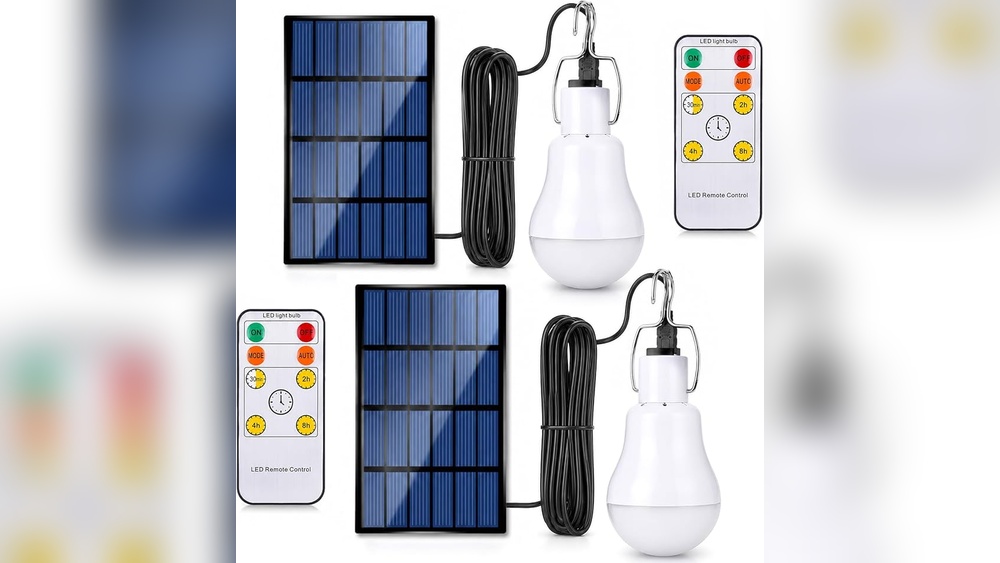
Setting up the right dusk to dawn lighting in a small hen house can make a big difference for your flock. Proper lighting helps hens stay healthy, lay more eggs, and feel safe at night. If you’re new to poultry care or simply want to improve your setup, there are proven ways to get your lighting just right.
Keeping your hens safe and comfortable during seasonal shifts doesn’t require complex electrical wiring. You can find a deep dive into the Best solar powered dusk to dawn interior led lights for small coops in our latest review, focusing on automatic, weather-resistant setups.
Let’s break down the key steps, highlight common mistakes, and share practical tips so your hens can thrive.
Why Dusk To Dawn Lighting Matters
Chickens need enough light to produce eggs regularly. Natural daylight triggers their laying cycle, but in winter or shaded areas, hens may not get enough hours. Dusk to dawn lighting fills this gap by providing a steady light source when the sun is down.
According to studies, hens need about 14–16 hours of light daily to keep egg production high. Without it, their bodies slow down, and eggs become fewer. Artificial lighting also helps protect chickens by keeping predators away after dark.
Choosing The Right Lights
Picking the right light is vital for a small hen house. You have a few options, each with pros and cons. Here’s a quick comparison:
| Type | Pros | Cons |
|---|---|---|
| LED Bulb | Low energy, long life | Higher upfront cost |
| Incandescent | Cheap, easy to find | Short life, uses more power |
| Compact Fluorescent | Moderate energy use | Contains mercury |
For most small hen houses, LED bulbs are best. They last up to 25,000 hours and use very little power. One 9-watt LED bulb can light a 30–50 sq ft coop.
Setting Up The Lighting System
To set up dusk to dawn lighting, follow these steps:
- Measure the hen house – Know your coop’s size. Most small coops are 30–60 sq ft.
- Install one light fixture – Place it near the ceiling, centered for even coverage.
- Choose a dusk to dawn sensor – This device turns the light on at dusk and off at dawn automatically. Plug-in sensors or bulbs with built-in sensors both work.
- Connect the sensor to the bulb – If using a separate sensor, plug it into the outlet, then the bulb.
- Test the system – Wait for sunset. The light should turn on automatically and go off at sunrise.
If your coop has windows, avoid placing the sensor where sunlight can trigger it early. For more control, use a programmable timer instead.
How Much Light Is Enough?
The right amount of light keeps hens calm and productive. Too bright, and they get stressed. Too dim, and egg laying drops. Here’s a simple brightness guide:
| Coop Size | Recommended Lumens | Bulb Wattage |
|---|---|---|
| 30 sq ft | 250–400 | 6–9W LED |
| 50 sq ft | 400–600 | 9–12W LED |
| 60 sq ft | 600–800 | 12–15W LED |
Lumens measure brightness. For small coops, aim for soft, even light. It should be bright enough to read but not harsh.
Wiring And Safety Tips
Safety is critical when installing electrical equipment in a hen house. Moisture and dust can cause problems. Follow these tips:
- Use weatherproof fixtures and cords.
- Keep wires out of reach of chickens to avoid pecking.
- Seal any holes to block rodents and water.
- Use a GFCI outlet for extra protection against shocks.
If you’re not sure about wiring, ask an electrician for help. Never use extension cords as a permanent solution.
Common Mistakes To Avoid
Many beginners make errors when setting up dusk to dawn lighting. Here are the top mistakes:
- Using too strong bulbs – Overly bright light stresses hens and disrupts sleep.
- Wrong placement – Lights too close to roosts or nests disturb chickens.
- No sensor or timer – Manual switching leads to missed hours or wasted power.
- Poor fixture choice – Indoor bulbs fail in damp environments.
Fix these mistakes by picking the right bulb, installing it at a safe distance, and using an automatic sensor.
Real-life Example
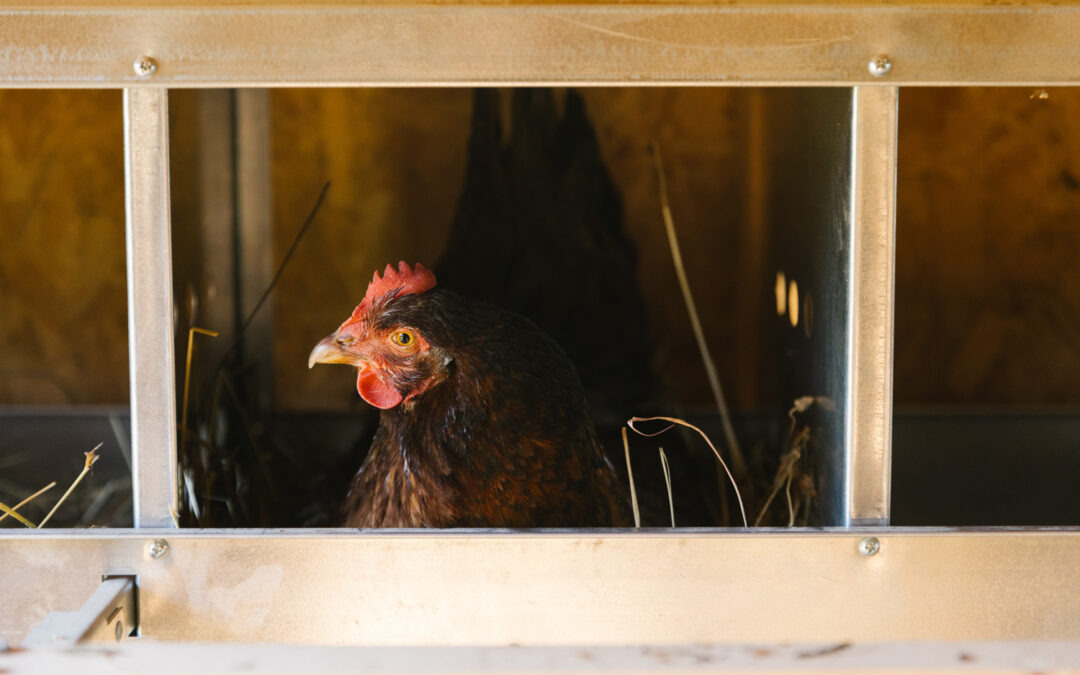
Sarah, a backyard chicken keeper in Ohio, wanted to boost egg production in winter. Her coop was 40 sq ft. She installed a 9W LED bulb with a dusk to dawn sensor. The hens started laying daily again, even in December.
She noticed fewer nighttime disturbances and lower power bills than before.
Maintenance And Troubleshooting
Lighting systems need regular checks. Here’s what to do monthly:
- Clean dust from bulbs and sensors.
- Check for loose wires or water leaks.
- Replace faulty bulbs right away.
If the sensor fails, reset it or replace it. If the light flickers, check the connection and moisture protection.

Advanced Tips For Better Results
Two often-missed ideas can help:
- Use red-tinted bulbs for calmer chickens. Red light reduces stress and helps hens settle at night.
- Install a backup battery system, so the light stays on during power outages.
These small upgrades can improve hen health and egg output.
For more details on poultry lighting research, see the Poultry Farming Wikipedia.
Frequently Asked Questions
How Many Hours Of Light Do Hens Need?
Hens need 14–16 hours of light daily for steady egg production. Less light can cause hens to stop laying.
Can I Use Solar-powered Lights?
Yes, solar-powered lights work if your coop gets enough sun during the day. Choose models with dusk to dawn sensors and battery storage.
Will Artificial Light Disturb The Hens’ Sleep?
If you use the right brightness and timing, hens adjust well. Avoid lights that are too bright or placed close to roosts.
What Color Bulb Is Best For Hens?
Warm white or red-tinted bulbs are best. Cool white light can stress hens, while red light calms them.
Is Dusk To Dawn Lighting Safe For Chicks?
For chicks, use lower brightness and keep lights farther from the brooder. Too much light can overheat and stress young birds.
Proper dusk to dawn lighting makes your hen house more productive and secure. With the right setup, your hens will lay more eggs, stay healthy, and sleep peacefully. Take time to choose quality bulbs and sensors, install them safely, and check your system regularly.
Small details matter, and with care, your flock will thank you.
