
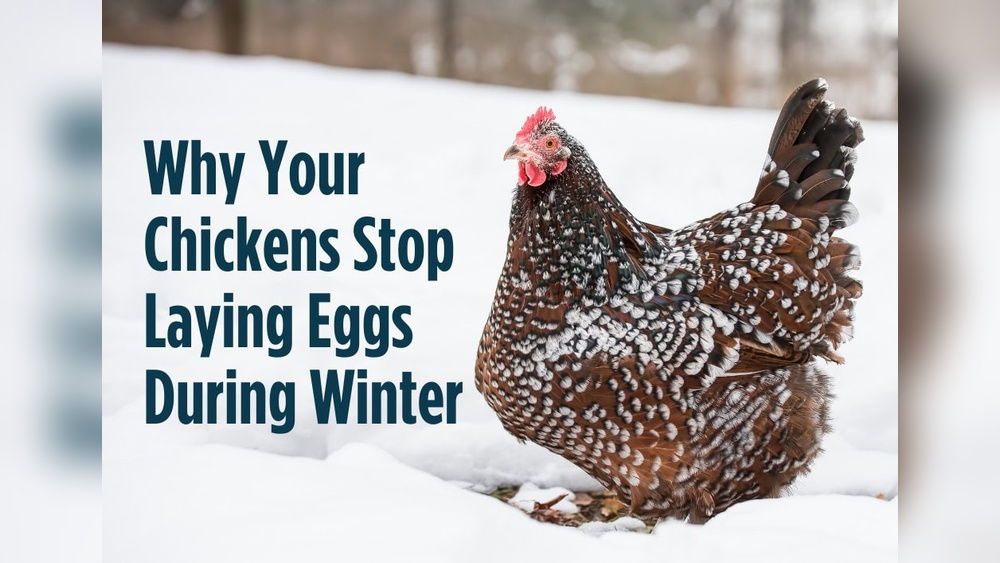
Keeping chickens in your backyard can be rewarding, especially if you enjoy fresh eggs year-round. But many backyard flock owners notice a sharp drop—or even a complete stop—in egg production during winter. This change often surprises new chicken keepers. The main reason for this seasonal slowdown is not the cold, but the shorter daylight hours. Understanding why consistent day length matters can help you keep your flock productive, even through the darkest months.
You can easily automate your morning routine and clear out dark, damp corners before your flock wakes up. Explore our comprehensive guide covering the top-performing automated coop LED lights to find a system that handles freezing winter temperatures.
How Chickens Respond To Daylight
Chickens are highly sensitive to changes in day length. Their bodies use the amount of light each day to decide when to lay eggs. This process is controlled by the bird’s endocrine system. As daylight hours drop below about 14 hours, the hormones that trigger egg-laying slow down.
For a better picture, here’s a simple comparison:
| Day Length | Egg Production |
|---|---|
| 16 hours | High |
| 12 hours | Moderate |
| 8 hours | Very Low/None |
Chickens originally come from the tropics, where day length is steady all year. In most of North America and Europe, winter days are much shorter, which signals to the hens to take a break. This is a natural survival mechanism.
Why Consistent Day Length Keeps Hens Laying
When you keep the day length steady at around 14–16 hours using artificial light, you can “trick” your hens into thinking it’s still summer. Their bodies keep producing the hormones needed for laying eggs. This is why many commercial egg farms use lighting systems throughout the year.
Benefits Of Consistent Lighting
- Steady Egg Supply: You get more eggs in winter, avoiding the typical seasonal dip.
- Predictable Flock Health: Hens stay in a steady routine, which can lower stress.
- Simplified Management: You can plan for egg needs, especially if you sell or share eggs.
However, it’s important to allow hens some natural rest. Some keepers choose to give their birds a break every few years to avoid burnout and health issues.

How To Provide Consistent Day Length
You don’t need expensive equipment. A basic timer and a safe, weatherproof light can do the job.
Step-by-step Example
- Choose the Right Bulb: Use a standard 40-watt bulb for a small coop (or LED equivalent).
- Set a Timer: Aim for 14–16 hours of total light (natural plus artificial).
- Add Morning Light: It’s better to add light in the early morning, so hens are not left in sudden darkness at night.
- Keep it Regular: Sudden changes can confuse hens and lead to stress.
Here’s a sample lighting plan for winter:
| Natural Daylight | Artificial Light Needed | Total Light |
|---|---|---|
| 9 hours | 5–7 hours | 14–16 hours |
Practical Tips
- Use a light that evenly covers the coop.
- Place the timer outside the coop for safety.
- Make sure the coop has good ventilation, as extra light can warm things up slightly.
Common Mistakes And How To Avoid Them
Many beginners think that adding heat, not light, will keep their hens laying. In truth, light is the main driver of egg production. Heating the coop is not needed unless temperatures drop dangerously low.
Another mistake is giving too much light or suddenly increasing it. Too much light (over 16 hours) can stress hens and shorten their laying careers. Sudden changes in light can cause hens to stop laying or even start pecking each other out of stress.
To avoid these problems:
- Increase light gradually, by 15–30 minutes per week.
- Never exceed 16 hours of total light.
- Always check your timer regularly.
The Science Behind Light And Laying
Research shows that the pineal gland and hypothalamus in chickens respond to light. These organs control the release of reproductive hormones. The light must be bright enough—about the same as a sunrise, not just a night light.
A 2018 study found that hens exposed to 14–16 hours of light kept laying through winter, while those with only natural light stopped for several weeks. This is why many universities and agricultural extension services recommend artificial lighting for winter eggs. For more on the science, see this research article.
Is Year-round Laying Healthy For Chickens?
Some people worry that keeping hens laying all year is unnatural or unhealthy. The truth is, with good care, most modern breeds can handle steady laying for several years. However, it’s wise to give older hens or heritage breeds a winter break every couple of years.
Signs your hens might need a rest:
- Thin or brittle eggshells
- Feather loss that does not regrow
- Drop in appetite or energy
If you notice these, cut back on artificial light and let them recover. Chickens that are pushed too hard may burn out early and stop laying sooner in life.
Frequently Asked Questions
How Many Hours Of Light Do Hens Need To Lay Eggs In Winter?
Most hens need about 14–16 hours of light per day to keep laying regularly during winter months.
Is It Safe To Use Any Type Of Light Bulb In The Coop?
It’s best to use LED or incandescent bulbs with a safe, weatherproof fixture. Avoid bulbs that can get too hot or break easily.
Will Adding Light Make My Hens Lay More Eggs All Year?
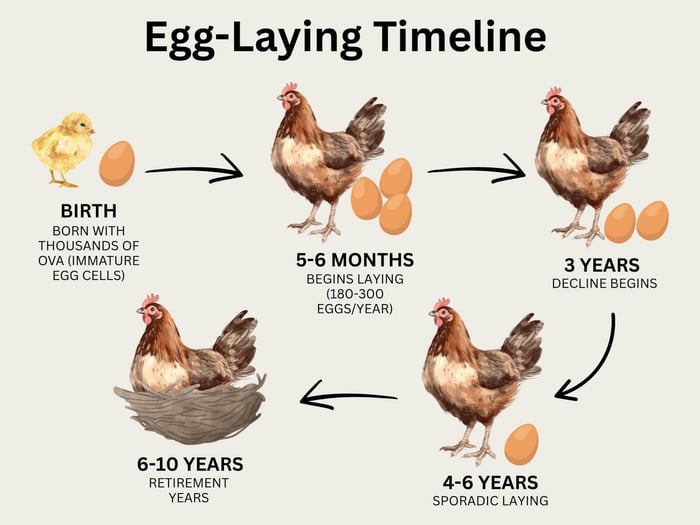
Consistent lighting keeps hens laying during winter, but it won’t increase their lifetime total egg output. Hens have a limited number of eggs they can lay.
Should I Add Heat As Well As Light?
Chickens handle cold better than heat. Light, not heat, triggers egg production. Only add heat if temperatures become dangerously low (below 0°F or –18°C).
What If My Hens Stop Laying Even With Added Light?
They may be molting, sick, or stressed. Check for feather loss, parasites, or poor nutrition. Sometimes older hens just need a break.
Keeping day length steady helps your backyard flock stay productive all winter. With a simple timer and a safe light, you’ll enjoy fresh eggs even when the days are short. Just remember not to push your hens too hard, and always watch for signs they need a rest.
That way, both you and your flock stay happy and healthy all year round.
