

Keeping your chickens healthy starts with clean water. Many homesteaders know this, but the real challenge is keeping water biofilm free. Biofilm is a slimy layer that forms on surfaces in water containers. It’s made of bacteria and can quickly lead to disease in your flock. If you want your chickens to thrive, you must understand how to stop biofilm and keep water clean every day. This guide shows advanced techniques, practical tips, and scientific data to help you achieve biofilm-free chicken water, even if you’re already experienced with poultry care.
Eliminating dangerous waterborne bacteria and viruses from remote wilderness sources is simple when you harness the power of the sun. You can find a deep dive into the top-performing solar UV water purifiers in our latest emergency preparedness review, focusing on chemical-free sterilization times and rugged, travel-friendly casings.
Understanding Biofilm In Chicken Water
Biofilm is more than just dirt. It’s a sticky mix of bacteria, fungi, and algae. Once biofilm forms, it protects germs and makes them harder to remove. Studies show biofilm can reduce water quality and make chickens sick. Even a thin biofilm can contain thousands of bacteria per square inch.
Here’s a quick comparison of how biofilm affects chicken water:
| Factor | Clean Water | Biofilm-Contaminated Water |
|---|---|---|
| Bacteria Count | <100 CFU/ml | >10,000 CFU/ml |
| Odor | None | Often foul or musty |
| Risk of Disease | Very low | High (respiratory, digestive) |
| Water Consumption | Normal | Reduced (chickens avoid drinking) |
Biofilm grows faster in warm weather, dirty containers, and stagnant water. It can double in size in just 24 hours if not managed.
Choosing The Right Waterer
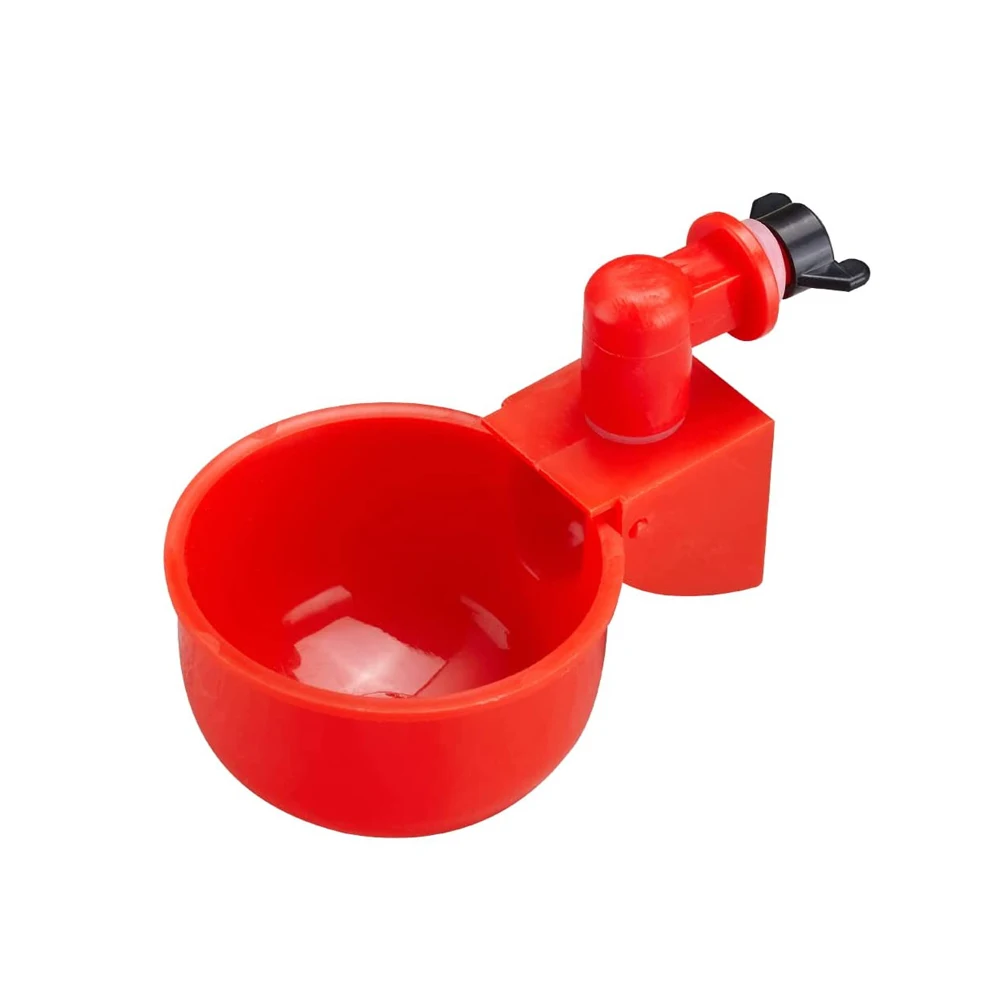
Not all water containers are equal. Your choice affects how easy it is to keep water biofilm free. There are three main types:
| Waterer Type | Biofilm Risk | Cleaning Ease |
|---|---|---|
| Plastic Bucket | Medium | Easy |
| Galvanized Metal | Low | Harder |
| Nipple System | Very low | Easy |
Plastic waterers can scratch, making it easier for biofilm to stick. Metal containers resist bacteria but are heavier and harder to clean. Nipple systems keep water off surfaces, so biofilm rarely forms, but they cost more and need proper installation.
Advanced Cleaning Techniques
Basic rinsing isn’t enough. To stop biofilm, you need a regular cleaning routine with proven methods.
- Daily scrubbing: Use a stiff brush to scrub all surfaces. Pay extra attention to corners and seams.
- Sanitizing: Once a week, soak containers in a solution of 1 tablespoon bleach per gallon of water for 10 minutes. Rinse thoroughly.
- Vinegar soak: For plastic waterers, a monthly soak in white vinegar helps remove mineral deposits and weakens biofilm.
- Hot water: Heat kills bacteria. Pour boiling water into containers after scrubbing if possible.
Many homesteaders skip the sanitizing step, thinking scrubbing is enough. But research shows biofilm can regrow within hours after scrubbing if not fully sanitized.
Here’s how cleaning methods compare:
| Method | Biofilm Removal (%) | Time Needed |
|---|---|---|
| Basic Rinse | 20% | 2 min |
| Scrubbing | 70% | 5 min |
| Bleach Soak | 99% | 15 min |
| Vinegar Soak | 80% | 30 min |
Water Quality And Additives
Clean containers are only part of the solution. The water itself matters. Tap water is usually safe, but well water or rainwater may carry bacteria.
To improve water quality:
- Filter water if possible.
- Test water once a month for bacteria and nitrates.
- Use apple cider vinegar (1 tablespoon per gallon) to lower pH and discourage biofilm. Do not use vinegar in metal waterers.
Some homesteaders add hydrogen peroxide (3% solution, 1 tablespoon per gallon) as an occasional disinfectant. However, overuse can harm chickens. Always follow recommended amounts.

Practical Tips For Biofilm-free Water
- Change water daily: Stagnant water grows biofilm fastest.
- Keep waterers out of direct sunlight: UV rays encourage algae, which is part of biofilm.
- Elevate containers: Place waterers on blocks or stands to reduce dirt and droppings.
- Inspect for cracks: Replace damaged containers, as biofilm hides in scratches.
- Rotate cleaning tools: Brushes and cloths can carry bacteria—wash them regularly.
- Try nipple drinkers: These systems almost eliminate biofilm and reduce spills.
A common mistake is believing clear water means clean water. Biofilm is often invisible until it becomes thick and slimy.
Non-obvious Insights For Advanced Homesteaders
- Biofilm can survive in hoses and water lines. Flush hoses with bleach solution monthly.
- Water temperature matters: Chickens drink less if water is too warm or cold, increasing biofilm risk. Aim for water temperatures between 50–70°F.
Also, using rainwater can introduce biofilm-forming bacteria from roofs and gutters. Always filter and test rainwater before using it for chickens.
Frequently Asked Questions
What Is Biofilm, And Why Is It Dangerous For Chickens?
Biofilm is a sticky layer of bacteria and algae. It protects germs, making them hard to remove. Biofilm can cause diseases like respiratory infections and diarrhea in chickens.
How Often Should I Clean Chicken Waterers To Prevent Biofilm?
Scrub waterers daily and sanitize with bleach or vinegar weekly. For nipple systems, wipe down the nipples once a week and flush lines monthly.
Can I Use Apple Cider Vinegar In All Types Of Water Containers?
No. Only use apple cider vinegar in plastic waterers. It can damage metal containers over time.
Are Nipple Waterers Really Biofilm Free?
Nipple waterers reduce biofilm by keeping water off surfaces. However, biofilm can still form inside pipes or hoses if not flushed regularly.
What’s The Best Way To Test Water Quality For Chickens?
Use a poultry water test kit to check for bacteria and nitrates monthly. You can find reliable kits and information at Backyard Chickens.
Keeping chicken water biofilm free is an advanced skill every serious homesteader needs. With the right tools, cleaning habits, and water quality checks, you can protect your flock from illness and keep them thriving. Remember, invisible germs are just as dangerous as visible dirt. Take proactive steps every day, and your chickens will reward you with health and productivity.
