
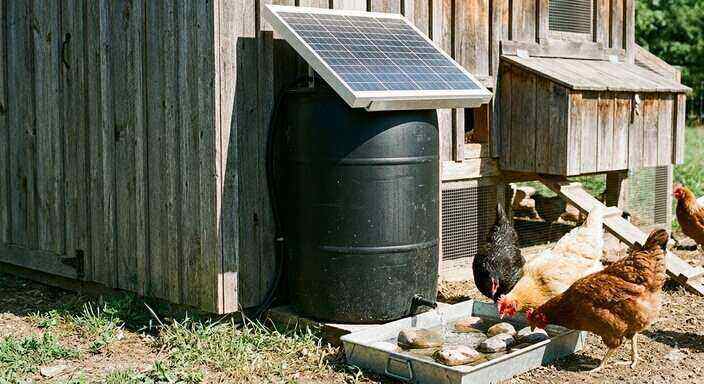
Walking out to your back pasture only to find your flock’s water reservoir smelling like a stagnant swamp is a constant headache for homesteaders. When your setup sits far from a garden hose or an electrical outlet, scrubbing out heavy slime layers turns into an exhausting daily chore. Dumping harsh chemical bleach down the lines might kill the grime, but it risks poisoning your soil and harming your birds’ delicate digestive systems. Solar power is the most practical solution for remote waterers because it uses free daylight to run automatic, eco-friendly sanitation systems, completely eliminating the need to haul heavy water buckets or scrub slick plastic containers every single morning.
In my coop, I’ve found that using chemical sanitizers often backfires because chickens loathe the smell of chlorine and will stop drinking altogether, leading to dangerous dehydration and sudden drops in egg production. To keep their supply completely pristine without relying on toxic chemicals, you need a low-voltage system that actively cleanses the water from the inside out using natural elements. If you want a trouble-free way to maintain crystal-clear water lines entirely on autopilot, I highly recommend checking out my deep-dive testing of the best off-grid water purifiers designed for livestock setups. These compact, solar-powered units use safe, automated tech to destroy pathogens, saving your weekends from endless scrubbing.
The Off-Grid Advantage
Switching to solar-assisted cleaning methods for your remote watering hubs provides critical benefits that keep your homestead safe and highly efficient:
- Zero Chemical Poisoning Risk: Natural, solar-driven water purification introduces no toxic residues into your pasture, completely eliminating the risk of chemical chemical burn hazards to your birds’ beaks and organs.
- Automatic Daylight Cycles: The system operates dynamically whenever the sun is shining, providing maximum water cleaning action during the exact peak hours your birds are actively drinking and tracking dirt into the trays.
- Zero Operating Budget: You achieve absolute, hands-free cleanliness with no impact on your monthly electricity bill, keeping your self-sufficient layout truly off the grid.
Identifying Biofilm and Water Contamination Red Flags
Take a close look inside your remote barrels and drinking nipples this week for these specific signs of a failing water system:
- The “Slick and Slimy” Basin Wall: Run your fingers along the inside lining of your water tank. A slippery, clear-to-yellow coating means a thick bacterial biofilm has formed, which acts as a protective shield for dangerous pathogens.
- Warm, Sun-Baked Water Temperatures: Check the water temperature in the heat of the afternoon. Warm, unmoving water accelerates bacterial blooming at an alarming rate, making the water completely unsafe in under 24 hours.
- Cloudy or Discolored Feed Drop: Look right into the bottom of the drinking cups. If loose chicken feed has turned into a fermented, sour mush on the bottom, it will rapidly breed foul odor-causing bacteria throughout the entire supply line.
- Drastic Drop in Water Intake: Watch your flock’s behavior around the station. If your hens approach the rim but turn away without drinking, the water has likely developed a foul, bitter taste from heavy organic decay.
The 3-Step Natural Sanitation Plan
You do not need to be an engineer or hire a technician to set up a clean, automated, solar-powered water system. Follow this straightforward 3-step action plan:
- Set Up the Sun Capture: Mount your small solar panel on a clear, south-facing section of your run roof. Ensure it sits at an optimal angle to catch the peak afternoon sun, completely free from tree line shadows.
- Drop In the Low-Voltage Purifier: Place your low-voltage solar sanitizer or oxygenating aeration pump directly into the center of your primary water storage barrel. Route the insulated power line up and out through a tight, weatherproof notch in the lid.
- Shield All Exposed Lines: Run the low-voltage power cables down the back structural posts of your coop, sealing them inside durable, split-plastic wire loom. Secure the casing tightly with zip ties to ensure curious beaks cannot pick at the connections.
Solar Maintenance (Pro Advice)
Backyard poultry runs are filled with flying dust, dander, and feathers that can quickly degrade solar performance if left unchecked. Build these three simple habits into your routine:
- The Saturday Panel Scrub: Poultry dander contains sticky natural oils that create a thick, dull glaze over solar cells. Wipe down your solar panel with a damp cloth every single weekend to prevent an immediate 20% drop in energy output.
- Check Casing Paths for Pecking Wear: Chickens love to explore anything that resembles a vine or a worm. Inspect your protective wire loom monthly to make sure no exposed wires are visible or showing signs of beak damage.
- Flush the Basin Base Monthly: Solar purifiers drop suspended dirt out of the water column onto the bottom of the tank. Open your barrel’s bottom drain valve once a month to flush out this trapped silt, keeping the internal pump intakes perfectly clear.
FAQs
Can I completely abandon scrubbing if I use a solar water purifier? Not entirely, but it reduces your workload drastically. Instead of dumping and scrubbing slimy buckets every morning, you will only need to do a quick, simple rinse-out of the drinking cups once every few weeks to remove loose dirt tracked in by the birds.
Will these low-voltage systems continue to clean the water on cloudy days? Direct-solar water fresheners operate based on available sunlight, slowing down on overcast days. However, because bacterial growth also slows down significantly when the sun isn’t baking the tank, the system’s output naturally balances with the flock’s seasonal needs.
Is it safe to use natural apple cider vinegar alongside solar purifiers? Yes. Adding a splash of raw apple cider vinegar (ACV) to a plastic water barrel is a classic, safe homestead trick to milden the water’s pH. It works hand-in-hand with solar aeration loops to create an environment where green algae simply cannot survive.
Conclusion
Keeping your remote poultry water supplies perfectly clean doesn’t require dragging toxic chemicals or high-voltage utility lines out to your pastures. By using safe, self-sustained solar power to keep your water systems fresh, you can protect your flock’s respiratory health, cut down on your morning chores, and keep your homestead completely green.
Final Expert Tip: My girls were much happier once I switched our main water line from clear tubing to solid black, opaque hoses. Clear hoses allow sunlight to reach the water inside the lines, creating an internal algae greenhouse. Swapping to solid black lines blocks out the light entirely, keeping your solar-purified water perfectly clean all the way to the drinking cup!
