
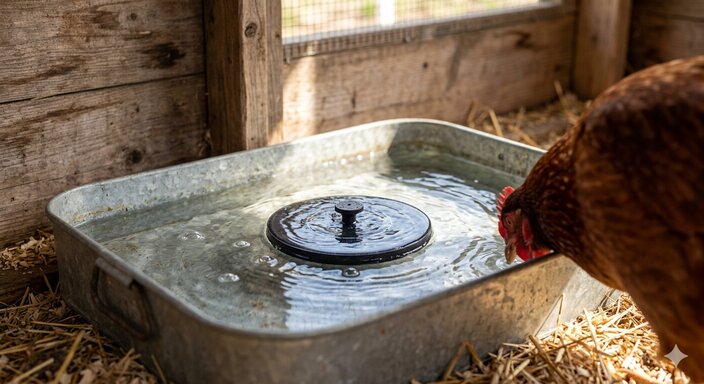
There’s nothing quite like the smell of a swampy chicken run in the heat of July. You walk out to fill the waterer, only to find a layer of green slime and a cloud of mosquitoes rising from the tray. Stagnant water isn’t just an eyesore; it’s a breeding ground for disease and pests that can make your flock miserable.
For those of us with coops at the far end of the property, dragging a 100-foot extension cord isn’t just a hassle—it’s a tripping hazard and a fire risk. This is where solar power saves the day.
In my coop, I’ve found that using the sun to keep things moving is the cheapest way to maintain a healthy environment. I’ve tested several solar-powered aerators and found a few that really stand out for backyard flocks.
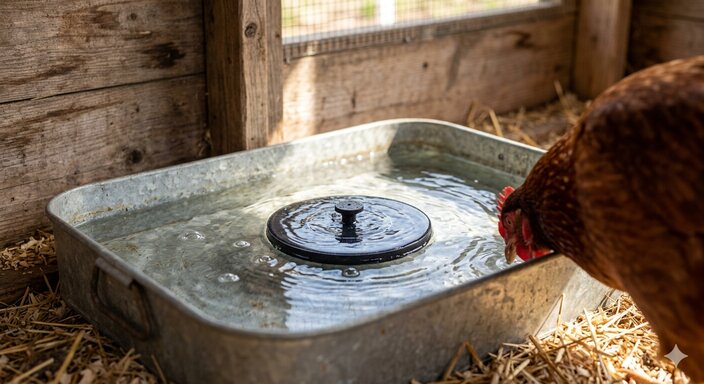
How to Stop Stagnant Water and Mosquitoes in Your Chicken Coop
One of the best tools I’ve integrated into my setup is the AUTGAS 1W Solar Fountain. It’s a simple, low-cost fix that keeps the water rippling all day long, and you can read my full hands-on review of the AUTGAS 1W here to see how it stands up to curious hens.
The Off-Grid Advantage
Going solar for your water management is a “set it and forget it” win. Since there are no plugs, you have zero fire risk from frayed wires or short circuits in wet bedding. You aren’t adding a penny to your monthly power bill, and the system starts working the moment the sun hits the run. It’s the ultimate way to automate a chore that usually takes up too much of your morning.
Step-by-Step: Identifying the Water Crisis
Before you can fix the problem, you need to know what you’re looking for. Check your water station for these red flags:
- The “Snot” Factor: Feel the inside of the tray. If it’s slippery or slimy, you’ve got biofilm and algae building up.
- Wiggling Larvae: Look closely for tiny, “flicking” organisms in the water. Those are mosquito larvae waiting to hatch.
- The Smell Test: If the water smells like a pond rather than fresh rain, oxygen levels are too low.
- Lethargic Hens: If the girls aren’t drinking as much, they may be avoiding the taste of dirty water, which leads to fewer eggs and heat stress.
- Flock Biosecurity: Dirty, stagnant water can harbor bacteria and avian diseases that spread quickly through a small flock. Practicing consistent biosecurity for backyard birds is the best way to ensure your girls stay productive and your coop remains a safe environment.
The Homestead Setup Plan
You don’t need an electrician to fix this. Follow these three steps to get your water moving:
- Deep Clean: Empty your trays and scrub them with a vinegar-water solution. This kills existing spores without harming the birds.
- Position the Panel: Find the spot near your waterer that gets the most direct sunlight between 10 AM and 4 PM.
- Deploy the Aerator: Place your solar pump in the tray. Crucial Tip: Remove any high-spray nozzles. You want a gentle “boil” or bubble on the surface to disturb mosquitoes without splashing the water out of the tray.
Solar Maintenance (Pro Advice)
Solar gear is tough, but a little love goes a long way in a dusty coop:
- Wipe the Glass: Chickens kick up an incredible amount of dander and dust. Wipe the solar panel weekly with a damp cloth to keep it at 100% efficiency.
- Check the Intake: Feathers and hay can occasionally clog the small pump filter. Give it a quick rinse under a hose if the flow looks weak.
- Secure the Wires: Use zip ties to keep any loose wires high and out of reach. Chickens love to peck at anything that looks like a worm.
- Optimal Tilt: Angle your panel toward the South to catch the strongest rays of the day.
FAQs
Does the pump work at night?
Most budget-friendly models, including the 1W units, do not store energy. They rest when the sun goes down. However, mosquitoes primarily lay eggs and algae grows during the warmth of the day, so daytime movement is what matters most.
Will the chickens be scared of the moving water?
My girls were a bit suspicious for about ten minutes. Once they realized it wasn’t a predator, they actually seemed more interested in drinking because the water stayed cooler.
Can I use this in the winter?
It won’t stop a deep freeze, but moving water takes longer to turn to ice than still water. It can help extend your “liquid water” window during those chilly autumn mornings.
Conclusion
Keeping your coop water fresh doesn’t have to be a full-time job or a high-tech nightmare. By using the sun to keep your waterers oxygenated, you’re protecting your flock from pests and ensuring they stay hydrated and healthy.
Expert Tip: Always keep a spare pump on hand. For less than $20, it’s worth having a backup so your water never sits still for more than a day if a panel gets damaged by a stray football or a particularly aggressive hen!
