

Keeping rodents out of your run is important for health, safety, and peace of mind. Many people worry about using harsh chemicals or traps, but there are effective, natural and non-toxic methods that work well. These approaches keep your animals safe, avoid harming the environment, and discourage rodents without causing suffering. If you want practical, proven ways to protect your run, this guide will help you make smart choices and spot mistakes beginners often make.
Keeping your poultry feed secure requires an automated barrier that functions completely off the power grid. You can find a deep dive into the top-rated Portable Solar Powered Ultrasonic Rodent Repellent for Coop Areas in our latest review, which focuses on high-frequency sound sweeps.
Why Rodents Are A Problem In The Run
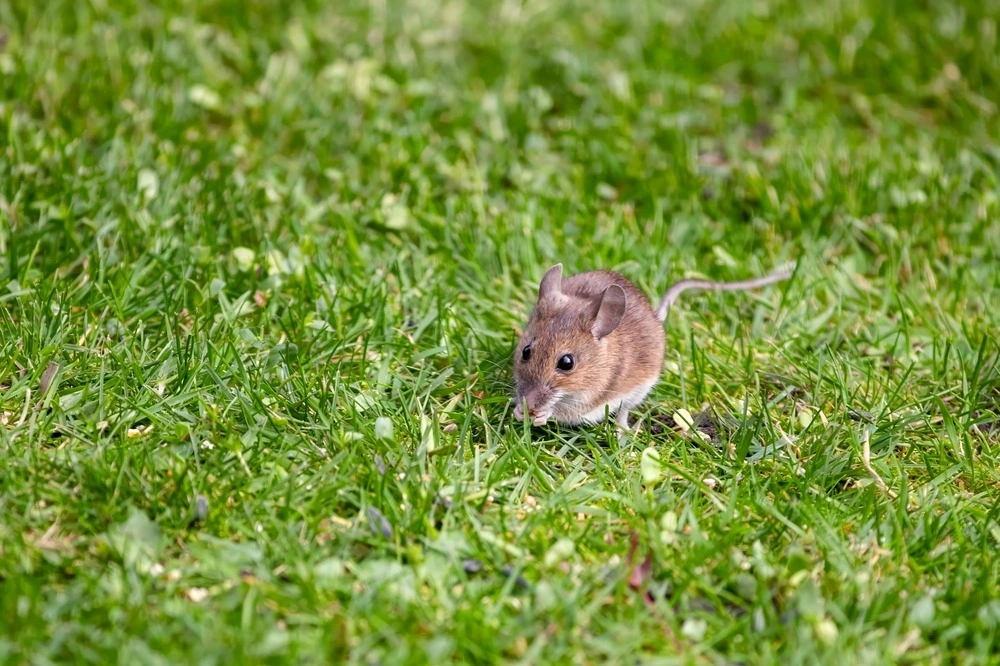
Rodents like rats and mice can cause serious trouble. They chew through feed, spread diseases, and damage structures. According to the Centers for Disease Control and Prevention (CDC), rodents can carry over 35 diseases. Their droppings and urine can contaminate water and food, risking the health of chickens, rabbits, and other animals.
Besides health risks, rodents attract larger predators and can stress your flock. Their presence often means you’ll spend more money on repairs and feed. Preventing them is much easier than removing them after infestation.
Natural Ways To Keep Rodents Out
You don’t need toxic sprays or dangerous traps. Many effective rodent deterrents are simple, safe, and easy to use. Here are the most reliable methods:
1. Seal Entry Points
Rodents squeeze through holes as small as 1/4 inch. Walk around your run and check for gaps near doors, walls, and the ground.
- Use hardware cloth (not chicken wire) for patching holes.
- Fill cracks with steel wool or cement, as rodents can’t chew through them.
- Check the run monthly, especially after heavy rain or wind.
2. Keep Feed Secure
Feed attracts rodents more than anything else. Store food in metal bins with tight lids.
- Clean up spilled feed quickly.
- Avoid leaving food out overnight.
- Feed only what your animals need, so nothing is left behind.
3. Remove Hiding Places
Rodents look for cover—places to hide and nest. Keep the area tidy:
- Remove tall grass and weeds near the run.
- Keep woodpiles and clutter far away.
- Move unused equipment and supplies off the ground.
4. Use Natural Repellents
Some scents naturally discourage rodents. These won’t harm your animals.
- Peppermint oil: Soak cotton balls and place them around the run’s perimeter.
- Predator urine: Fox or coyote urine (available at garden stores) signals danger.
- Garlic and chili powder: Sprinkle these where rodents try to enter.
Peppermint oil works best if refreshed every week. Predator urine is effective but needs to be reapplied after rain.
5. Encourage Natural Predators
Certain animals help keep rodents away. Owls, hawks, and even barn cats patrol for mice and rats.
- Install a owl box near the run.
- Allow safe access for cats if you have them.
- Avoid using poison, as it can harm these helpful predators.
6. Use Physical Barriers
Physical barriers are one of the safest ways to keep rodents out.
| Barrier Type | Effectiveness | Cost | Safety |
|---|---|---|---|
| Hardware Cloth | High | Moderate | Very Safe |
| Concrete Base | High | High | Very Safe |
| Chicken Wire | Low | Low | Safe |
Choose hardware cloth or concrete for the best results. Chicken wire is easy for rodents to chew through.
7. Regular Cleaning
Rodents hate clean, well-maintained spaces. Clean the run weekly.
- Remove soiled bedding and droppings.
- Wash water containers and feeders.
- Sweep up spilled food.
A clean run discourages rodents and keeps your animals healthier.

Comparing Natural Repellents
Many people wonder which natural repellent works best. Here’s a quick comparison:
| Repellent | Effectiveness | Duration | Safe for Animals? |
|---|---|---|---|
| Peppermint Oil | Moderate | 1 week | Yes |
| Predator Urine | High | 2 weeks | Yes |
| Garlic/Chili Powder | Low | 2-3 days | Yes |
Predator urine is the most effective, but all methods should be combined for best results.
Practical Mistakes Beginners Make
Many people focus only on one method—like just using peppermint oil. Rodents are clever and adapt quickly. Combining several methods is key. Another common mistake is ignoring small holes or cracks. Rodents can squeeze through places you might overlook.
Some people use plastic bins for feed. Rodents chew through plastic easily. Always choose metal bins. Lastly, not cleaning regularly gives rodents a reason to stay. Consistent cleaning is as important as barriers and repellents.
Data: How Fast Rodents Multiply
A single pair of rats can produce over 1,000 offspring in one year if conditions are right. Even one or two mice can quickly become a major problem. Prevention is much easier than removal.
Real-life Example
A small backyard chicken keeper in Ohio noticed droppings and chewed feed bags. After switching to metal bins, sealing gaps with hardware cloth, and using peppermint oil, rodent activity dropped by 90% in two months. Combining methods made the difference.
When To Call A Professional
If rodents are still getting in despite your efforts, it may be time to call an expert. Professionals can find hidden entry points and use safe removal techniques. This is rare if you use the steps above, but it’s good to know help is available.

Frequently Asked Questions
How Often Should I Reapply Natural Repellents?
Most natural repellents need to be refreshed every week, especially after rain. Predator urine may last longer, but peppermint oil and garlic lose their strength quickly.
Can I Use Essential Oils Inside The Run?
Yes, but use peppermint oil or other essential oils sparingly. Place soaked cotton balls outside the run’s perimeter so animals don’t eat them.
Are Barn Cats Safe For Chickens And Rabbits?
Barn cats are usually safe if introduced slowly and monitored. They prefer hunting rodents and rarely bother adult chickens or rabbits.
What Is The Best Material For Sealing Holes?
Hardware cloth and steel wool are best. Rodents cannot chew through them, unlike wood or plastic.
Where Can I Find More Information About Rodent Prevention?
You can find trusted information from the CDC, which offers detailed advice on keeping rodents away safely.
Taking action with natural and non-toxic methods keeps your animals safe and your run secure. By combining several strategies, checking regularly, and staying consistent, you’ll discourage rodents without harm. Prevention is always easier than fixing a problem after it starts.
With these tips, you’ll create a healthier, happier run for your animals.
