
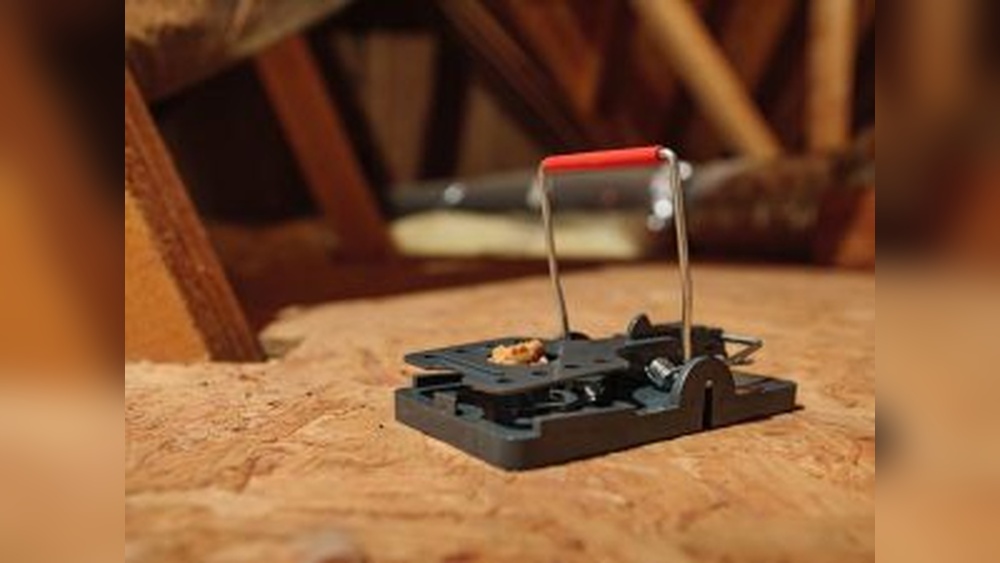
Keeping rodents out of a chicken coop is a challenge for many backyard poultry owners. Rats and mice are drawn to chicken feed, eggs, and shelter. Some people use traditional snap traps to control these pests. But placing snap traps inside an active chicken coop can create serious risks for your birds, their safety, and your peace of mind. Let’s explore why these traps are dangerous, see safer alternatives, and get practical advice for keeping your flock secure.
You can easily defend your perimeter from burrowing rats without worrying about changing dead batteries every few weeks. Check out our hands-on evaluation of the sturdiest portable solar rodent repellents on the market today.
How Snap Traps Work And Why They’re Used
Snap traps are one of the oldest methods for catching rodents. They use a spring-loaded bar that snaps shut when a rodent takes the bait. Many people choose them because they’re cheap, easy to set, and effective at killing rodents quickly.
But these traps are designed for places where humans and pets won’t touch them. In a chicken coop, your birds are always moving, pecking, and investigating. This creates a risky situation.
Risks To Chickens From Traditional Snap Traps
Physical Injuries
Snap traps are strong enough to kill a rat or mouse instantly. For a chicken, the force can cause broken toes, foot injuries, or even worse. Chickens are curious by nature. If they see a trap, they may peck at it or step on it, triggering the mechanism.
Stress And Fear
A sudden snap and noise can frighten chickens. If a trap goes off near them, they may panic, run, or injure themselves trying to escape. This stress can lead to lower egg production, poor health, and even aggressive behavior.
Risk To Young Birds
Chicks and juvenile birds are much smaller and more vulnerable. The force of a snap trap can seriously injure or kill a young bird. Their natural curiosity makes them even more likely to investigate unfamiliar objects.
Unintended Catches
Sometimes, snap traps catch non-target animals. In a coop, this might mean a chicken’s toe, beak, or wing gets caught instead of a rodent. This is not only painful but can lead to infection and long-term health problems.

Data Comparison: Snap Traps Vs. Safer Rodent Control
Let’s compare the risks and benefits of snap traps versus safer methods for rodent control in chicken coops.
| Method | Effectiveness | Risk to Chickens | Cost |
|---|---|---|---|
| Snap Traps | High | Very High | Low |
| Enclosed Traps | Medium | Low | Medium |
| Electronic Traps | High | Low | High |
| Rodent Proofing | Medium | None | Medium |
As shown above, snap traps are cheap and effective but carry the highest risk to chickens.
Real-life Examples Of Accidents
Many poultry owners have shared stories online about accidents with snap traps. For example:
- A hen in New York lost two toes after stepping on an unguarded trap.
- In California, a rooster suffered a broken beak when he pecked at bait.
- One coop owner reported that a chick died after getting caught by a trap meant for mice.
These stories highlight how unpredictable chickens are and how easy it is for accidents to happen.
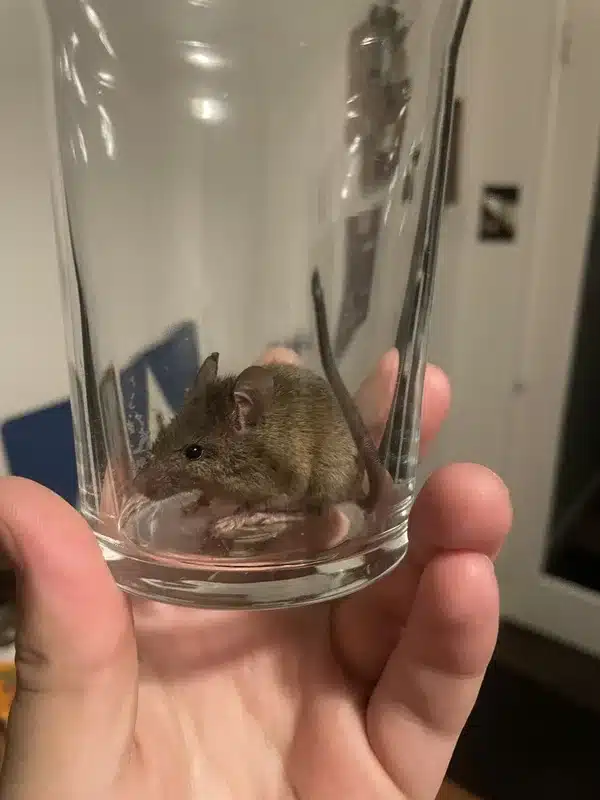
Common Mistakes With Snap Traps In Coops
- Placing traps in open areas: Chickens can easily reach traps if they’re not hidden.
- Using bait attractive to birds: Many traps use peanut butter or grains, which are also favorite foods for chickens.
- Not checking traps often: An injured chicken or trapped rodent left overnight can create more problems.
- Ignoring chick and pullet safety: Young birds are more vulnerable than adults.
These mistakes are easy to make but can have serious results.
Safer Alternatives For Rodent Control
Enclosed Traps
There are rodent traps designed with protective boxes. These keep chickens out while allowing rodents to enter. Enclosed traps reduce injury risk but must be checked regularly.
Electronic Traps
Electronic traps kill rodents quickly and are usually enclosed. Chickens can’t access them, but they cost more.
Rodent Proofing Your Coop
Preventing rodents is more effective than trapping them. Consider:
- Using hardware cloth (not chicken wire) for walls and floors
- Storing feed in sealed containers
- Cleaning up spilled feed daily
- Raising feeders off the ground
These steps make your coop less attractive to rodents and safer for your flock.
Coop Design Comparison
Here’s a look at how different coop designs can prevent rodent problems.
| Design Feature | Rodent Prevention | Chicken Safety |
|---|---|---|
| Solid Floor | High | High |
| Wire Mesh Floor | Medium | Medium |
| Open Dirt Floor | Low | Low |
A solid floor is best for keeping out rodents and protecting chickens.
Two Insights Most Owners Miss
- Rodents learn quickly: Rats often avoid snap traps after seeing another rodent caught, making them less effective over time.
- Rodent droppings carry disease: Even if you catch rodents, their droppings and urine can still infect chickens. Prevention is always safer than trapping.
Practical Steps For Chicken Owners
- Never use snap traps inside the coop or run.
- If you must use snap traps, place them outside the coop in locked boxes.
- Check traps daily to prevent suffering and accidents.
- Focus on prevention and coop maintenance.
- Monitor for signs of rodent activity, like gnawed feed bags or droppings.
These steps protect your flock and reduce stress for both you and your birds.
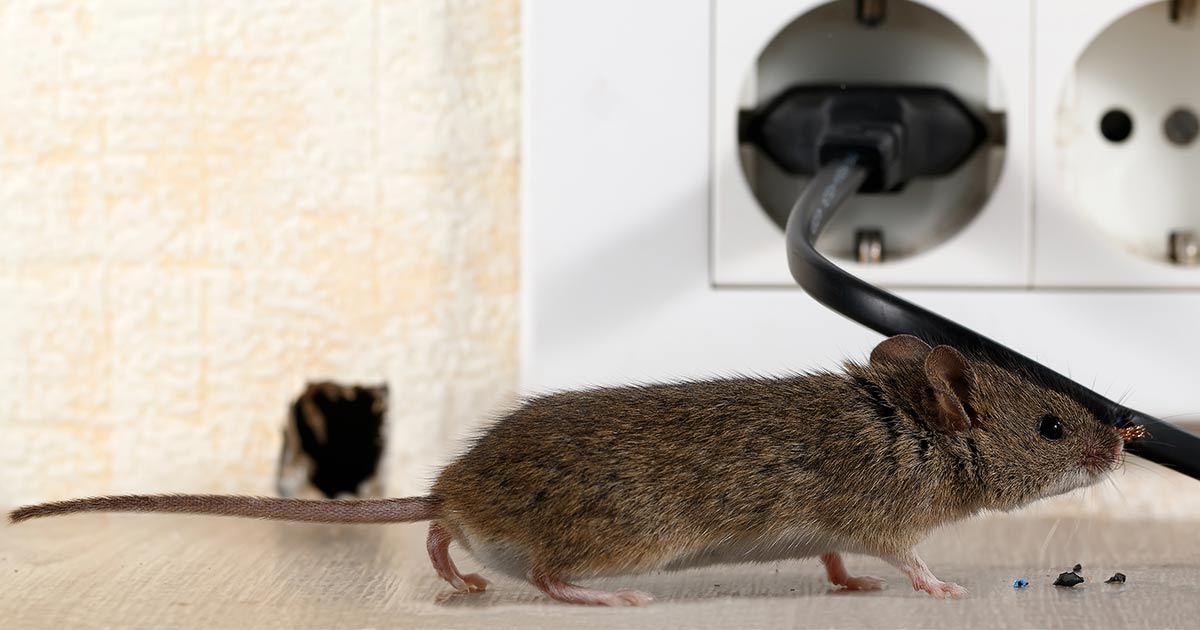
Frequently Asked Questions
What Is The Safest Way To Control Rodents In A Chicken Coop?
Enclosed traps and rodent proofing are safest. Keep traps out of reach and use strong materials to block entry.
Can Snap Traps Be Used Outside The Coop?
Yes, snap traps can be used outside, but always in locked boxes to protect pets, wildlife, and children.
Are Glue Traps Safer Than Snap Traps?
No. Glue traps can harm chickens, other animals, and often cause slow, painful deaths for rodents.
How Can I Tell If Rodents Are In My Coop?
Look for gnawed feed, droppings, chewed wood, or rodent holes. Chickens may also seem nervous or stop laying eggs.
Where Can I Learn More About Rodent Control In Poultry Housing?
For detailed advice, check CDC Rodent Control Guide for safe and effective methods.
Keeping chickens safe means thinking beyond quick fixes. By avoiding snap traps inside your coop and focusing on prevention, you protect your birds and create a healthier environment for everyone. Your flock depends on your choices — make safety a top priority.
