

Keeping chickens safe at night is a challenge for many backyard poultry owners. Raccoons and foxes are smart, persistent predators, especially after dark. They can destroy coops, kill birds, and leave a mess behind. If you’ve ever woken up to missing hens or broken fencing, you know how urgent this problem can be. With a bit of planning, you can scare away nocturnal intruders and protect your flock. Even in small yards, a few changes can make a big difference. Many owners think their area is safe, but raccoons and foxes adapt quickly and can find ways in that you didn’t expect.
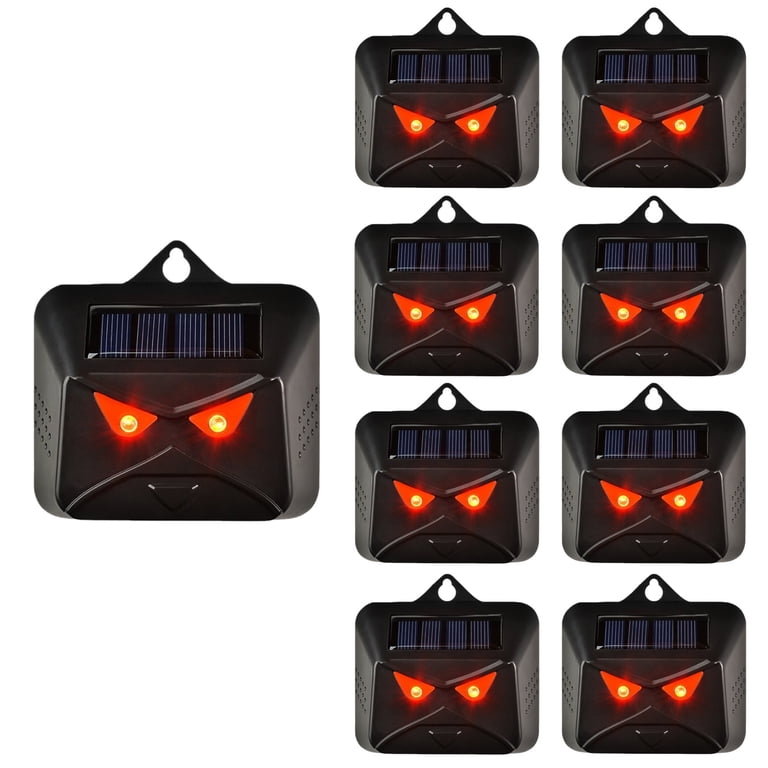
Protecting your flock from nocturnal hunters like foxes, raccoons, and coyotes requires a reliable, automated defense system. You can find a deep dive into the Best solar powered red eye predator deterrent lights for coops in our latest review, focusing on weatherproof designs that simulate a larger predator’s gaze.
Understanding Nocturnal Predators
Both raccoons and foxes hunt at night. Raccoons are skilled climbers, have nimble paws, and can open latches. Foxes are fast, agile, and can squeeze through small gaps. Studies show raccoons cause up to 20% of backyard chicken losses, while foxes are responsible for about 10% in rural areas. But numbers alone don’t tell the whole story. Raccoons often attack in groups and can cause more damage in one night than you might imagine. Foxes tend to be patient and will return again and again if they find a weak spot.
Here’s a quick comparison:
| Predator | Entry Methods | Frequency |
|---|---|---|
| Raccoons | Climbing, opening latches, digging | Very Common |
| Foxes | Digging, squeezing through gaps | Common |
Raccoons can reach through wire to grab chickens, even if they cannot enter fully. Foxes sometimes dig tunnels under fencing, and will work on the same spot for several nights. It’s important to remember that both predators are quiet and careful, so you may not hear them during an attack.
Physical Barriers: Your First Line Of Defense
A strong, secure chicken run is essential. Most attacks happen where fencing is weak or gaps are present. Always check for holes, loose wires, or open spaces. Even a gap as small as two inches can be enough for a fox.
Key features for a predator-proof run:
- Use hardware cloth (not chicken wire) for fencing. Hardware cloth is stronger and raccoons can’t tear it.
- Bury fencing at least 12 inches deep to stop digging.
- Install locking latches. Raccoons can open simple hooks.
- Cover the top of the run with wire or netting to prevent climbing.
Let’s compare fencing materials:
| Material | Strength | Predator Resistance |
|---|---|---|
| Chicken Wire | Low | Poor |
| Hardware Cloth | High | Excellent |
| Plastic Netting | Very Low | Poor |
Tip: Many beginners use chicken wire, which is meant for keeping chickens in, not predators out. Invest in hardware cloth for real security. For best results, choose hardware cloth with small openings (1/4 inch). This size keeps raccoon paws out and also stops smaller animals like weasels.
If your coop is older, check the foundation for weak spots or rotting wood. Raccoons and foxes can exploit small cracks. Adding a solid floor or paving stones under the coop can prevent digging from below. It’s also smart to add extra screws or ties at corners, where fencing often loosens over time.
Deterrents That Actually Work
Physical barriers are crucial, but extra deterrents boost safety. Raccoons and foxes dislike sudden changes and strong smells.
Effective deterrents:
- Motion-activated lights: These startle animals, making them rethink approaching. Studies show 60% fewer attacks with good lighting.
- Noise devices: Ultrasonic alarms or radios can scare predators. Change sounds every few days to prevent animals from getting used to them.
- Scent repellents: Foxes and raccoons hate strong smells. Use ammonia-soaked rags or commercial repellents around the run.
- Predator decoys: Fake owls or coyote urine can signal danger to intruders.
Here’s a quick comparison:
| Deterrent | Effectiveness | Maintenance |
|---|---|---|
| Motion-activated lights | High | Low |
| Scent repellents | Medium | Medium |
| Noise devices | Medium | High |
| Predator decoys | Low | Low |
Non-obvious insight: Don’t place deterrents in the same spot every night. Move them around to keep animals guessing. If you use scent repellents, reapply after rain since water washes them away. For lights, try solar-powered models to avoid wiring problems.
Some owners also use two or more deterrents together, such as lights and scent, for better results. Combining methods is often more effective than relying on just one.
Smart Routine: Human Presence Matters
Predators avoid places with regular human activity. Simple actions can make your chicken run less inviting.
- Visit the coop at random times after dark.
- Clean up spilled feed. Leftover food attracts raccoons.
- Remove eggs daily. Broken eggs are a favorite snack for foxes.
- Lock up chickens before dusk, not after dark.
Many owners skip evening checks, but even a quick walk around can deter animals. Your scent and movement act as natural warning signs. If you’re away, ask a neighbor to check in. Fresh footprints, lights, and noise signal danger to predators.
Another practical tip: shake or tap the fencing when you visit. This lets animals know someone is present. If you have a dog, let it patrol near the coop in the evening. Dogs can discourage foxes and raccoons with their scent and barking.

Common Mistakes To Avoid
Even experienced chicken keepers make errors that invite trouble.
- Using chicken wire instead of hardware cloth
- Forgetting to lock the coop every night
- Leaving feed or eggs outside
- Ignoring signs of digging or claw marks
- Not checking fencing after storms
Non-obvious insight: Raccoons often return to the same spot if they succeed once. If you lose a chicken, reinforce your defenses immediately. After storms, wind or water may damage fencing, creating new gaps. Always inspect after bad weather.
Some owners assume a single deterrent is enough, but predators learn quickly. Mix physical barriers and deterrents for the best protection.
Practical Example: A Real Solution
A small farm in Ohio lost 10 hens in two weeks. They switched from chicken wire to hardware cloth, added motion lights, and buried fencing. Attacks stopped within days. The owner also began checking the coop every evening and using ammonia rags.
This routine kept predators away all season.
Another example: a suburban backyard used only chicken wire and lost three hens to raccoons. After installing locking latches and covering the run top, losses stopped. Even in urban areas, raccoons can be a big threat if coops are not secure.

Frequently Asked Questions
What Is The Best Fencing To Stop Raccoons?
The best choice is hardware cloth with small (1/4 inch) openings. It is much stronger than chicken wire and raccoons cannot tear or chew through it. Avoid plastic netting, as raccoons can shred it easily.
How Deep Should Fencing Be Buried To Prevent Digging?
Bury fencing at least 12 inches deep. Some experts recommend bending the bottom outward in an “L” shape to make digging even harder. For sandy soil, consider deeper burial or adding rocks as extra barrier.
Do Motion-activated Lights Really Scare Away Foxes?
Yes, motion-activated lights can startle foxes and raccoons. However, animals may get used to them over time. Move lights occasionally and combine them with other deterrents. For best effect, aim lights at entry points where animals usually approach.
Are Scent Repellents Safe For Chickens?
Most commercial scent repellents are safe if used around the outside of the run and not inside the coop. Avoid strong chemicals near feed or water. Natural options like ammonia or predator urine are effective but should be kept away from where chickens eat and sleep.
What Should I Do After A Predator Attack?
After an attack, immediately reinforce fencing, install deterrents, and change your routine. Clean up any remains to avoid attracting more predators. You can find more detailed guidance from Backyard Chickens. Document the attack, so you know which defenses worked and which failed.
Protecting your chickens requires both strong barriers and smart habits. By combining secure fencing, effective deterrents, and regular checks, you can scare away nocturnal raccoons and foxes. Take action tonight, and give your flock the safety they deserve. Even small improvements can prevent big losses and keep your chickens happy and healthy for years to come.
